Real estate tokenization: guide to investing and launching
Real estate is the world’s largest asset class, representing hundreds of trillions in global wealth, yet it remains fundamentally illiquid and inaccessible to most individuals. Tokenized real estate solves this structural inefficiency by converting physical property rights into digital tokens on a blockchain. This digital transformation allows operators to divide a single commercial building or residential home into thousands of affordable digital shares. Investors gain access to fractional real estate investing with minimums as low as $50, while property developers unlock a global pool of capital outside traditional banking or private equity channels. Whether you are a retail investor seeking passive rental yield or a property owner looking to launch an offering, understanding the mechanics, legal structures, and regulatory requirements is essential. This asset tokenization definitive guide covers the complete lifecycle of digital property investment and issuance.
Understanding tokenized real estate and market dynamics
Tokenized real estate is the digital representation of physical property ownership through blockchain-based tokens. Instead of buying a building directly, investors purchase digital tokens representing shares in a Special Purpose Vehicle (SPV) that legally owns the underlying asset. This structure enables programmable compliance, automated rental distributions, and fractional ownership.
The foundation of any tokenized real estate project relies on a well-established corporate legal structure known as a Special Purpose Vehicle (SPV). When a property is tokenized, the blockchain tokens do not directly represent the physical bricks and mortar, because current property laws in most jurisdictions do not recognize direct blockchain land registries. Instead, a legal entity like a US Limited Liability Company (LLC) purchases the physical property and holds the deed. The ownership shares of this LLC are then digitized and issued as security tokens on a blockchain network like Ethereum, Polygon, or Algorand. Whoever holds the token in their digital wallet legally owns a proportional share of the LLC, and by extension, a proportional economic interest in the underlying real estate asset. This mechanism bridges the gap between legacy real property law and modern distributed ledger technology.
Investors often confuse tokenized real estate with Real Estate Investment Trusts (REITs) or traditional real estate crowdfunding, but the structural differences are significant. REITs are large corporate portfolios of properties where investors buy shares in the managing company, giving them no direct claim on or choice over specific buildings. While REITs offer high liquidity on public stock exchanges, they suffer from high correlation to broader equity markets and lack asset-level transparency. Real estate crowdfunding platforms allow investment in specific properties, but investors are typically locked into long holding periods of five to ten years with zero secondary market liquidity. Tokenized real estate combines the asset-specific selection of crowdfunding with the potential for secondary market liquidity through decentralized exchanges or specialized Alternative Trading Systems (ATS), operating 24/7 with near-instant settlement.
| Feature | Tokenized Real Estate | REITs | Real Estate Crowdfunding | Direct Ownership |
|---|---|---|---|---|
| Minimum Investment | $50 – $1,000 | Price of one stock share | $10,000 – $50,000 | High (Down payment) |
| Asset Selection | Specific individual properties | Blind pool / Large portfolio | Specific individual properties | Specific individual property |
| Liquidity | Medium (ATS or decentralized exchanges) | High (Public stock exchanges) | Very Low (5-10 year lockups) | Low (Months to sell) |
| Management Control | None (Passive) | None (Passive) | None (Passive) | Full control |
| Technology Base | Blockchain / Smart Contracts | Traditional brokerage accounts | Web platforms / Bank transfers | Paper deeds / County registries |
The market for digital property shares has grown steadily, moving from experimental residential pilots to institutional commercial real estate tokenization. According to rwa.xyz dashboard data tracking real-world asset tokenization, the total tokenized real estate market capitalization has surpassed $200 million across major public blockchains. Leading platforms like RealT have tokenized over 100 residential and commercial properties in the United States, primarily utilizing the Gnosis and Ethereum blockchains to distribute rental income daily in stablecoins. Another major operator, Lofty, focuses on the Algorand blockchain and allows users to purchase fractional shares of rental properties for as little as $50. These platforms handle property management, tenant relations, and legal compliance, passing the net rental yield directly to token holders. Typical annualized rental yields on these platforms range from 6% to 10%, depending on the property location and tenant profile. Compare this to the global REIT market size, which the National Association of Real Estate Investment Trusts estimates at approximately $1.3 trillion, indicating massive room for tokenized asset growth compared to the $15 billion real estate crowdfunding sector.
How to invest in tokenized real estate platforms
Investing in tokenized real estate requires opening an account with a compliant tokenization platform, completing KYC identity verification, and funding a digital wallet. Investors can browse specific properties, purchase fractional tokens for as little as $50, and automatically receive proportional rental income distributed via stablecoins directly to their wallets.
For individuals looking to allocate capital, tokenized real estate investing for beginners starts with selecting a registered platform that aligns with their geographic and financial profile. Because real estate tokens are legally classified as securities in almost all jurisdictions, platforms like Securitize, RealT, and Republic must enforce strict Know Your Customer (KYC) and Anti-Money Laundering (AML) checks. Investors must submit government-issued identification and proof of address before they can view offering memorandums or purchase tokens. Once verified, users can fund their accounts using fiat currency via bank transfer or with cryptocurrency like USD Coin (USDC). The actual token purchase involves signing a digital subscription agreement and executing a smart contract transaction, which instantly transfers the security tokens to the investor’s designated wallet. This programmable compliance ensures that only authorized, verified investors can hold or trade the asset.
The economic benefits of holding tokenized property mirror traditional real estate, encompassing both ongoing rental yield and potential capital appreciation upon the eventual sale of the asset. Rental income is typically collected by the property manager in fiat currency, converted to a stablecoin by the platform, and distributed automatically to token holders’ wallets on a daily, weekly, or monthly basis via smart contracts. This frictionless distribution model eliminates the administrative overhead of mailing physical checks or processing thousands of micro-bank transfers. From a tax perspective, investors must report this income according to their local jurisdiction. In the United States, the SPV holding the property is usually structured as a pass-through entity, meaning the platform will issue a Schedule K-1 or a 1099-DIV to investors at tax time. Investors are responsible for paying taxes on their share of the net rental income, though they may also benefit from proportional depreciation deductions that lower their taxable liability.
Despite the technological improvements, tokenized property investment carries inherent risks that cannot be coded away. The most pressing issue is the current state of secondary market liquidity. While tokens are technically capable of trading 24/7, finding a willing buyer for a specific fractional share of a residential home in Ohio can take time, meaning investors should still view these as medium-to-long-term holds. Property valuation disputes also arise, as the secondary market price of a token may diverge from the appraised value of the underlying physical asset. Furthermore, investors are entirely dependent on the quality of the real-world property management company tasked with maintaining the building and collecting rent. If the roof leaks or a tenant stops paying, the token yield drops to zero regardless of the blockchain technology used. Finally, smart contract risk remains a factor; if the code governing the token or the distribution mechanism contains a vulnerability, funds could be delayed or exploited.
The complete process to tokenize a real estate property
Tokenizing a property involves establishing a legal SPV to hold the real estate, conducting an independent appraisal, and selecting a technology provider to mint the security tokens. Issuers must draft offering documents, file regulatory exemptions, market the tokens to eligible investors, and establish ongoing property management and income distribution protocols.
For property developers and owners, learning how to tokenize real estate begins far away from the blockchain in the offices of corporate attorneys and real estate appraisers. The first mandatory step is forming the legal wrapper, typically a Delaware LLC in the US, which will acquire the physical deed to the target property. This entity must have a clear operating agreement that explicitly states its ownership shares will be represented by digital tokens on a specific blockchain network. Before any tokens can be minted, the property must undergo a rigorous third-party appraisal to establish a fair market value, which will dictate the total market capitalization of the token offering. A title search and environmental assessment are also required to ensure the asset is free of encumbrances. This meticulous physical and legal preparation ensures that the digital tokens are backed by an unassailable legal claim to a verified, correctly valued asset.
Once the legal foundation is secure, the property owner must evaluate and select from the best tokenization platforms to handle the technical issuance and investor onboarding. Platforms like Securitize or Tokeny provide the necessary smart contract infrastructure to mint the tokens, usually utilizing standards like ERC-3643 which embed compliance rules directly into the token code. The costs associated with this process are significant and must be factored into the project’s viability. Establishing the legal SPV, drafting the private placement memorandum, and filing regulatory exemptions typically costs between $30,000 and $100,000 depending on the complexity of the deal and the target jurisdictions. Additionally, the tokenization platform will charge an upfront issuance fee and an ongoing maintenance fee to manage the cap table and process dividend distributions. While these costs mirror traditional real estate syndication expenses, the automated lifecycle management provided by smart contracts significantly reduces the ongoing administrative burden of managing hundreds or thousands of fractional owners.
The technical minting of a token does not guarantee investor demand, making the marketing and distribution phase the most critical hurdle for property issuers. Unless the issuer has a pre-existing network of investors, they will need to partner with a licensed broker-dealer or a platform with an active investor base to distribute the tokens. The marketing strategy must clearly articulate the property’s expected yield, the location’s economic fundamentals, and the track record of the property management team. Once the capital is raised and the property is fully funded, the operational phase begins. The real-world property manager handles tenant leasing, maintenance, and rent collection in fiat currency. The net operating income is then transferred to the tokenization platform, which converts the fiat to stablecoins and executes the smart contract distribution to the token holders. This ongoing bridge between physical property management and digital dividend distribution is the operational core of any successful real estate tokenization project.
Global regulatory frameworks for tokenized real estate
Real estate tokenization is governed by local securities laws rather than specific blockchain legislation. The United States relies on Regulation D and Regulation A+ exemptions, while the European Union utilizes the MiFID II framework. Emerging hubs like Dubai have created bespoke regulatory environments specifically designed to support real-world asset tokenization.
Navigating the legal landscape requires a deep understanding of tokenization regulations by country, as real estate tokens are universally classified as securities. In the United States, the Securities and Exchange Commission (SEC) regulates tokenized property offerings under existing securities frameworks. Most issuers utilize the Regulation D Rule 506(c) exemption, which allows them to raise unlimited capital but restricts the offering exclusively to accredited investors. This limits the retail accessibility of the tokens but significantly reduces the regulatory burden on the issuer. For projects aiming to democratize access and allow non-accredited retail investors to participate, issuers must utilize Regulation A+ (often called a mini-IPO). A Reg A+ offering allows a company to raise up to $75 million from the general public, but it requires extensive SEC qualification, audited financials, and ongoing reporting, driving the upfront legal costs well past the $100,000 mark. Both exemptions require a mandatory lock-up period before secondary trading can occur on a registered ATS.
The European Union approaches tokenized real estate through the lens of the Markets in Financial Instruments Directive (MiFID II) and the newly implemented Markets in Crypto-Assets (MiCA) regulation. Under EU law, real estate tokens that represent debt or equity in a property-holding SPV qualify as transferable securities. This classification requires issuers to publish an approved prospectus before marketing the tokens to the public, unless they fall under specific exemption thresholds, such as offerings under €8 million in certain member states. The EU’s Pilot Regime for market infrastructures based on distributed ledger technology has further legitimized the space, allowing regulated entities to operate multilateral trading facilities for security tokens. This provides a clearer path to secondary market liquidity than currently exists in the US, as European regulators actively test the integration of blockchain settlement with traditional financial market infrastructure.
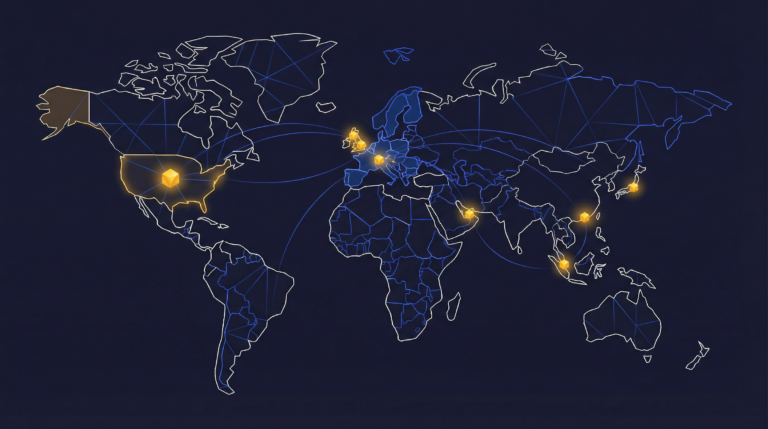
Beyond Western markets, specific jurisdictions are aggressively positioning themselves as global hubs for digital assets by writing bespoke legislation. In the United Arab Emirates, the UAE VARA tokenization regulation framework works in conjunction with the Real Estate Regulatory Agency (RERA) to provide a clear, unified rulebook for issuing and trading property tokens. Dubai’s approach is unique because it actively coordinates the land registry with the digital asset regulator, streamlining the exact physical-to-digital bridge that causes friction in other countries. Similarly, the Monetary Authority of Singapore (MAS) has launched Project Guardian to explore asset tokenization, providing a highly regulated but supportive environment for institutional real estate platforms. These forward-thinking jurisdictions understand that providing legal certainty around the SPV structure, the tokenization process, and secondary market trading is the primary catalyst required to move hundreds of billions of dollars of illiquid real estate onto public ledgers.
The transition of real estate from an illiquid, localized asset class into a globally accessible digital market is a structural shift in how property is financed and owned. By understanding both the mechanics of fractional ownership through tokenization and the practical realities of legal SPV structures, investors can access previously gated commercial and residential yields. For property owners and developers, tokenization offers a viable alternative to traditional bank financing or private equity syndication, despite the significant upfront legal costs. While the industry still faces challenges regarding secondary market liquidity and regulatory fragmentation, the foundation has been firmly established by platforms like RealT and clear frameworks in jurisdictions like Dubai. As the underlying blockchain infrastructure becomes invisible to the end user and regulatory clarity improves, tokenized real estate will inevitably become a standard component of modern investment portfolios.
#
Frequently Asked Questions
What is the minimum investment for tokenized real estate?
The minimum investment for tokenized real estate can be as low as $50 on specific platforms. Operators like Lofty and RealT divide property ownership into thousands of micro-shares, allowing retail investors to participate with significantly less capital than traditional real estate syndications require.
How is tokenized real estate taxed?
Tokenized real estate income is generally taxed as standard rental income or capital gains, depending on the distribution type. In the United States, the holding company acts as a pass-through entity, meaning investors receive a Schedule K-1 or 1099-DIV to report their proportional share of net rental yield.
Can I live in a property if I buy its tokens?
You cannot live in a property simply by purchasing its security tokens. Tokenized real estate provides fractional economic ownership and a right to the financial yield of the asset, but it does not grant physical usage rights or occupancy privileges to the individual investors.
How much does it cost to tokenize a building?
Tokenizing a commercial or residential building typically costs between $30,000 and $100,000 in upfront expenses. This capital covers the creation of the legal Special Purpose Vehicle, third-party property appraisals, drafting private placement memorandums, and platform issuance fees required to mint the smart contracts.