White-Label Tokenization Platforms: Build vs Buy Guide
Financial institutions and startup founders entering the digital asset space face an immediate infrastructure hurdle. Launching a tokenized asset business requires complex architecture to handle smart contract deployment, investor onboarding, identity verification, and cap table management. Companies must decide whether to engineer this technology from scratch or license a white-label tokenization platform. This decision dictates your time to market, your initial capital expenditure, and your long-term technical debt. A wrong choice here can trap a company in endless development cycles or lock them into an inflexible vendor relationship that strangles future growth. This guide breaks down the major providers and provides a clear framework for making the build versus buy calculation.
Platform overview: what is a white-label tokenization platform
A white-label tokenization platform provides the core blockchain infrastructure as a configurable software product that companies deploy under their own brand. The client company retains control over the user experience and branding, while the underlying provider handles the complex mechanics of token minting, compliance enforcement, and database management. Providers generally fall into two categories, which include fully self-service software-as-a-service models where clients configure everything independently, and enterprise deployments where the vendor customizes the architecture in partnership with the client.
Broker-dealers, real estate funds, and fintech startups rely on these systems to avoid the massive overhead of maintaining proprietary blockchain engineering teams. When a financial institution decides to offer digital securities to its clients, building the necessary compliance engines and smart contracts from scratch requires specialized blockchain developers who command premium salaries. By licensing a white-label solution, the institution gains immediate access to tested infrastructure that already complies with major regulatory frameworks. The end investors simply log into a portal featuring the institution’s logo and color scheme, completely unaware that a third-party software provider powers the backend mechanics of their tokenized investments.
The market for these platforms splits cleanly based on the deployment model and the target user. Fully self-service SaaS white-label options allow startups to register an account, upload their branding assets, configure their token parameters, and launch a branded portal within weeks. These systems prioritize speed and accessibility over deep customization. Conversely, enterprise white-label solutions operate as intensive partnerships where the provider integrates their tokenization engine directly into the client’s existing legacy banking systems or broker-dealer infrastructure. Companies must evaluate the best tokenization platforms to determine which deployment model matches their internal technical capabilities and their regulatory obligations.
Hands-on testing results: top white-label tokenization platforms reviewed
Our testing of the leading white-label tokenization platforms reveals a sharp divide between accessible SaaS products and heavy-duty institutional infrastructure. Stobox and Brickken lead in low-barrier deployment, while Tokeny and Securitize dominate enterprise-grade compliance and broker-dealer integrations for highly regulated asset managers. We evaluated these systems based on their out-of-the-box functionality, regulatory adaptability, and total cost of ownership.
Stobox DS Dashboard
Stobox offers the most accessible white-label option on the market through its DS Dashboard product. The platform utilizes a SaaS deployment model that allows self-service configuration for companies wanting to launch quickly. Stobox supports both ERC-20 and ERC-1400 token standards, giving issuers flexibility depending on their specific compliance requirements. The system includes built-in integration with the DS Swap secondary market, which provides an immediate liquidity solution for newly minted tokens. Read our full Stobox review for a deeper analysis of their smart contract architecture.
This platform works best for small to medium enterprises and startups wanting a branded tokenization presence affordably. Pricing starts at the lowest tier among major competitors, making it realistic for bootstrapped founders. The primary limitation of Stobox lies in its compliance infrastructure, which operates as a lighter framework compared to the heavy enterprise options. Large financial institutions requiring deep integrations with existing legacy banking systems will find the out-of-the-box SaaS model too restrictive for their complex regulatory workflows.
Tokeny (T-REX)
Tokeny provides an enterprise-grade white-label solution built around its proprietary T-REX infrastructure. The platform enforces compliance at the smart contract level using the ERC-3643 token standard combined with its ONCHAINID identity management system. This architecture ensures that tokens can only move between wallets that have passed specific KYC and AML checks. Tokeny’s partnership with Euronext validates its institutional quality and signals its reliability to traditional finance players. Our comprehensive Tokeny review breaks down how this identity protocol functions in practice.
Regulated financial institutions and large enterprises represent the ideal client profile for Tokeny. The platform handles complex corporate actions, dividend distributions, and cap table reconciliations with precision. However, this level of sophistication comes with high costs and a long deployment timeline. Startups and smaller operations will find Tokeny to be overkill for their needs, as the minimum engagement requirements and implementation fees place it firmly in the enterprise budget category.
DigiShares
Based in Denmark, DigiShares operates as a specialized platform focusing heavily on real estate tokenization. The company provides an end-to-end white-label solution that includes specific modules for property management integration and rental income distribution. The investor dashboards are tailored specifically to display property metrics, occupancy rates, and localized real estate data. This narrow focus allows DigiShares to serve property developers and real estate funds better than generic platforms that try to accommodate every asset class simultaneously.
Real estate companies benefit immensely from the specialized workflows built into the DigiShares ecosystem. The platform automates the tedious processes of calculating fractional rent payments and distributing them to hundreds of token holders across different jurisdictions. The main drawback of DigiShares is its lack of flexibility for non-real estate assets. Companies planning to tokenize a diverse portfolio of private equity, intellectual property, and real estate will find the property-centric interface limiting for their other asset classes.
Brickken
Brickken positions itself as a European no-code token factory with strong white-label capabilities. The platform stands out by integrating decentralized finance mechanics directly into its tokenization engine. Companies can automate revenue distribution using smart contracts that interact seamlessly with existing Web3 infrastructure. This approach appeals strongly to crypto-native businesses and European companies seeking an affordable entry point into the tokenized economy. We cover their specific DeFi mechanics extensively in our Brickken review.
The platform offers a highly competitive pricing model that allows companies to experiment with tokenization without committing massive upfront capital. Brickken works exceptionally well for companies wanting DeFi-compatible tokenization that bridges traditional assets with Web3 liquidity pools. As a younger platform, Brickken has a smaller track record than its enterprise competitors. Highly regulated institutions may hesitate to adopt the platform until it establishes a longer history of managing large-scale institutional assets under strict regulatory scrutiny.
Securitize (Enterprise)
Securitize represents the gold standard for institutional white-label tokenization infrastructure. The company operates as a registered broker-dealer, transfer agent, and alternative trading system (ATS), providing a complete regulatory umbrella for its enterprise clients. When large financial institutions license Securitize Enterprise, they gain access to a battle-tested compliance engine that has processed billions of dollars in tokenized assets. The platform handles everything from initial issuance to secondary market trading within a fully compliant regulatory framework. You can explore their regulatory licenses in our detailed Securitize review.
Large financial institutions, major asset managers, and sovereign wealth funds are the primary users of the Securitize Enterprise product. The platform offers unparalleled regulatory coverage and technical reliability for massive tokenization projects. The barrier to entry remains exceptionally high. The cost of engagement and the required minimums exclude almost all startups and mid-market companies from utilizing the enterprise tier. Securitize focuses its white-label efforts exclusively on clients capable of bringing significant institutional capital onto the blockchain.
The build vs buy decision framework
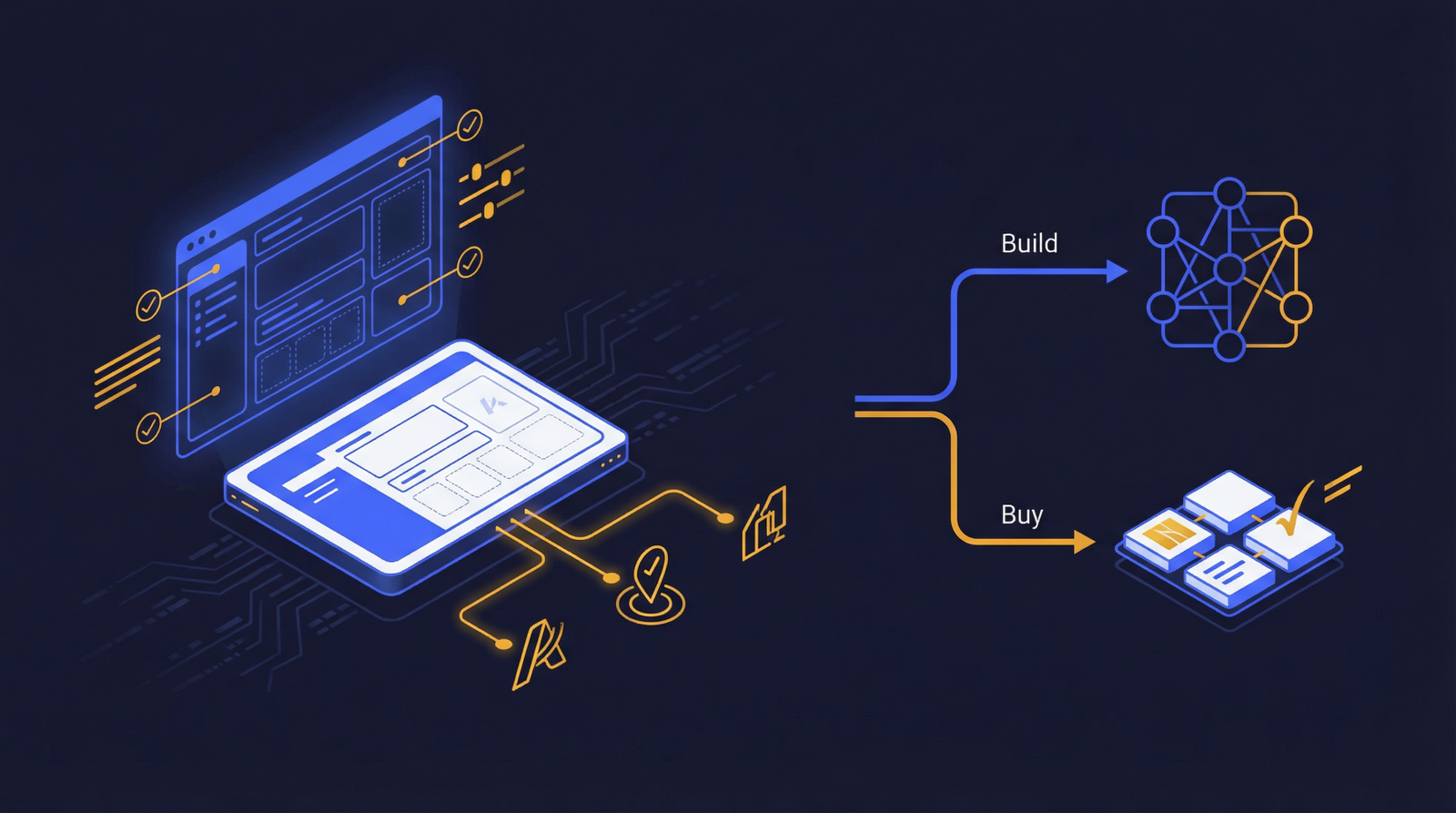
Deciding between building custom tokenization software and buying a white-label STO platform comes down to capital, timeline, and control. Building custom infrastructure costs $500,000 to $2 million and takes 18 months, while white-label licensing costs $10,000 to $200,000 with deployment in under six months. Using an existing retail platform as-is costs almost nothing upfront but sacrifices all brand equity and client ownership.
Building custom infrastructure makes sense only for companies with highly unique compliance requirements or those planning to become tokenization providers themselves. Industry estimates for a custom tokenization platform build place the minimum viable product cost between $500,000 and $2 million, according to a 2025 analysis of blockchain engineering salaries and smart contract audit fees. This path requires a dedicated team of blockchain engineers, legal experts, and security auditors working for 12 to 18 months before launch. The primary advantage is absolute control over the codebase and zero dependency on third-party vendors. The disadvantages include staggering upfront costs, extended time to market, and the permanent ongoing burden of maintaining complex blockchain infrastructure.
Licensing a white-label tokenization platform represents the most logical path for the vast majority of companies entering the space. This approach costs between $10,000 and $200,000 depending on the provider and the required customization tier. Companies choose this route when they need a branded experience and standard tokenization features but want to launch their product in one to six months. The white-label model eliminates the need to maintain blockchain infrastructure, as the provider handles all smart contract upgrades and security patches. Licensees accept limited customization and ongoing vendor dependency in exchange for speed and reduced technical risk. Founders should review the cost to tokenize a startup to understand how software licensing fits into the broader expense of asset issuance.
Using an existing platform as-is provides a third option for companies testing the waters. This approach costs between $0 and $50,000 and involves simply listing an asset on a public tokenization marketplace without any custom branding. This strategy works well for companies executing a single tokenized offering or running a small pilot program to gauge investor interest. It offers the fastest and cheapest path to market with absolutely zero technical maintenance required. The tradeoff is severe, as the issuing company builds no brand equity, controls none of the investor user experience, and remains entirely dependent on the host platform’s ongoing success and regulatory standing.
Feature comparison and scoring
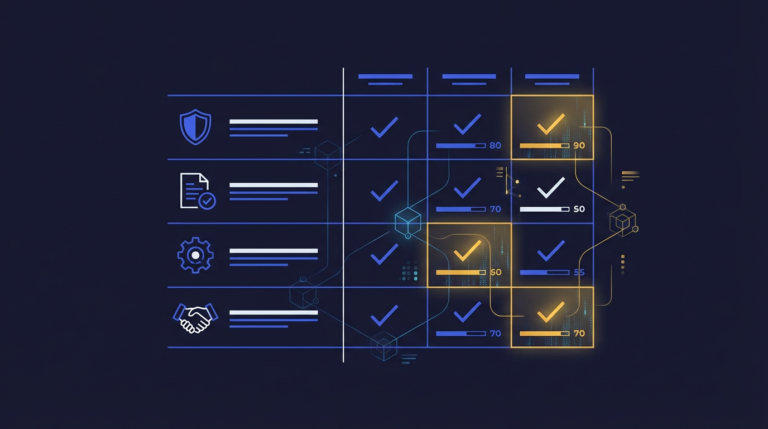
Evaluating branded tokenization software requires analyzing deployment models, blockchain compatibility, identity management, and secondary market capabilities. Enterprise platforms score highest on regulatory compliance and corporate actions, while SaaS token factories win on implementation speed, API accessibility, and upfront cost efficiency.
We evaluated the five major providers across critical infrastructure categories. The data reveals distinct operational philosophies among the vendors. Some prioritize deep regulatory integration at the expense of deployment speed, while others focus on user experience and rapid market entry. The following matrix details how each platform handles the specific technical requirements of asset tokenization.
| Feature | Stobox | Tokeny | DigiShares | Brickken | Securitize Enterprise |
|---|---|---|---|---|---|
| Deployment Model | SaaS | Enterprise | Hybrid | SaaS | Enterprise |
| Token Standards | ERC-20, ERC-1400 | ERC-3643 | ERC-1400, ERC-20 | ERC-20 | ERC-20, Custom |
| Blockchains Supported | Ethereum, Polygon, BSC | Ethereum, Polygon, Avalanche | Ethereum, Polygon | Ethereum, Polygon, Base | Ethereum, Polygon, Avalanche |
| KYC/AML Integration | Basic | Advanced (ONCHAINID) | Standard | Standard | Institutional Grade |
| Cap Table Management | Yes | Yes | Yes | Yes | Yes |
| Secondary Market | DS Swap | T-REX OTC | Internal Bulletin Board | DeFi Integration | Full ATS Integration |
| Mobile Support | Responsive Web | Responsive Web | Responsive Web | Responsive Web | Native & Web |
| White-Label Depth | Logo & Colors | Full UI Customization | Full UI Customization | Logo & Colors | Full UI Customization |
Our scoring methodology assigns weights to four primary categories based on their importance to founders and institutional issuers. Compliance architecture carries the highest weight due to the severe legal consequences of regulatory failures in digital asset issuance. Technical robustness measures the security of the smart contracts and the reliability of the platform infrastructure. Deployment speed and cost efficiency measure how quickly and affordably a company can bring its product to market.
| Platform | Compliance Architecture (30%) | Technical Robustness (30%) | Deployment Speed (20%) | Cost Efficiency (20%) | Total Score |
|---|---|---|---|---|---|
| Tokeny | 9.5 | 9.0 | 6.0 | 5.0 | 7.75 |
| Securitize | 10.0 | 9.5 | 5.0 | 4.0 | 7.65 |
| Stobox | 7.0 | 7.5 | 9.0 | 9.5 | 8.05 |
| DigiShares | 8.0 | 8.0 | 7.5 | 7.0 | 7.70 |
| Brickken | 6.5 | 7.5 | 9.5 | 9.0 | 7.90 |
Pricing breakdown and deployment timelines
White-label tokenization platform pricing spans from under $10,000 annually for basic SaaS tiers to over $200,000 for custom enterprise deployments. Self-service platforms deploy in weeks, whereas institutional software requiring custom broker-dealer integrations and bespoke smart contract audits typically takes three to six months.
Companies operating with a budget under $25,000 should focus exclusively on the self-service tiers offered by Stobox or Brickken. These platforms provide standard templates that require minimal technical intervention. The deployment timeline for these SaaS solutions ranges from two to four weeks, assuming the client has their legal documentation and branding assets ready. The low cost stems from the shared infrastructure model, where the client utilizes the same underlying smart contract architecture as hundreds of other issuers.
Organizations with budgets between $25,000 and $100,000 gain access to the professional tiers of Stobox or the standard deployments of DigiShares. At this price point, clients receive dedicated support managers and more extensive API access to connect the tokenization engine with their existing CRM systems. Deployment timelines in this bracket typically stretch from one to three months. The increased cost covers the necessary technical support for integrating external data feeds and customizing the investor onboarding flow to match specific regional regulatory requirements.
Institutions allocating $100,000 to $500,000 operate in the enterprise tier dominated by Tokeny and Securitize. These engagements involve heavy customization, bespoke smart contract development, and rigorous security audits. Deployment timelines average three to six months due to the complex legal and technical reviews required by traditional financial compliance departments. If a company’s requirements demand a budget exceeding $500,000, leadership should seriously evaluate building custom infrastructure. At that level of capital expenditure, the unique requirements of the business might justify owning the proprietary technology outright rather than continuing to pay exorbitant enterprise licensing fees.
Pros and cons of tokenization as a service
Tokenization as a service significantly reduces time-to-market and eliminates the burden of maintaining smart contract infrastructure. However, licensees sacrifice absolute control over the product roadmap, face ongoing vendor dependency, and must carefully negotiate data ownership and exit strategies to protect their investor base.
Using a white-label tokenization platform provides immediate relief from the technical complexities of blockchain engineering. Companies do not need to hire Solidity developers or pay for expensive third-party smart contract audits, as the platform provider absorbs these costs across their entire client base. The provider also handles the ongoing maintenance required to keep the platform compatible with network upgrades and changing regulatory standards. This allows the client company to focus its capital and human resources entirely on asset acquisition, marketing, and investor relations rather than software development.
The primary disadvantage of tokenization as a service is the inherent vendor lock-in. When a company builds its entire digital asset business on top of third-party software, it becomes vulnerable to the vendor’s pricing changes and product decisions. If the white-label provider decides to deprecate a specific feature or pivot their business model, the client company must adapt regardless of how it affects their operations. Furthermore, the client has no ability to accelerate the development of specific features they might need, as they are entirely dependent on the vendor’s product roadmap.
Data ownership and exit strategies require intense scrutiny during the contract negotiation phase. Companies must ensure they retain absolute ownership of their investor data, including KYC records and cap table histories. If a company decides to switch providers or build its own infrastructure later, it needs a clear, legally binding mechanism to migrate the smart contracts and the investor database. Regulatory implications also demand attention, as using a white-label software provider does not absolve the issuing company of its legal responsibilities. The issuer remains legally accountable for regulatory compliance, regardless of whether the software vendor’s compliance engine functions correctly.
How we evaluated these platforms
We assessed these tokenization systems based on deployment speed, technical stability, compliance architecture, and total cost of ownership. Our evaluation process includes reviewing platform documentation, analyzing pricing models, and comparing smart contract standards against current regulatory requirements for digital asset issuance.
Our editorial team conducted hands-on testing of the SaaS platforms and reviewed extensive technical documentation for the enterprise solutions. We prioritized platforms that demonstrate clear regulatory compliance mechanisms, particularly those enforcing identity verification at the smart contract level. We also heavily weighted the total cost of ownership, looking past the initial setup fees to analyze ongoing licensing costs, transaction fees, and maintenance requirements. Readers can review our complete review methodology to understand the strict criteria we apply to financial technology infrastructure.
Choosing the right infrastructure partner dictates the long-term viability of any digital asset project. Companies must honestly assess their internal technical capabilities, their regulatory environment, and their available capital before committing to a vendor. While building custom software offers ultimate control, the massive costs and extended timelines make it impractical for most market participants. By carefully selecting a white-label tokenization platform that aligns with their specific asset class and budget, founders can bypass years of development and launch their branded investment products into the market efficiently.
Frequently Asked Questions
What is a white-label tokenization platform?
A white-label tokenization platform is configurable software that provides core blockchain infrastructure under a client’s own brand. It handles token creation, investor onboarding, and compliance management while allowing the client to maintain their own user interface and brand identity.
How much does a white-label tokenization platform cost?
Pricing ranges from $10,000 annually for basic self-service SaaS tiers to over $200,000 for custom enterprise deployments. The final cost depends heavily on the provider, the required level of customization, and the complexity of the regulatory integrations needed.
How long does it take to deploy branded tokenization software?
Self-service SaaS platforms can be deployed in two to four weeks if legal documentation is ready. Enterprise solutions requiring custom broker-dealer integrations and bespoke smart contract audits typically take three to six months to implement fully.
Can I switch white-label providers after issuing tokens?
Switching providers is technically possible but highly complex. It requires migrating the smart contracts, transferring the investor database, and ensuring uninterrupted compliance reporting, which is why negotiating clear exit strategies and data ownership terms upfront is critical.