How to Tokenize a Fintech Startup: Regulatory Guide
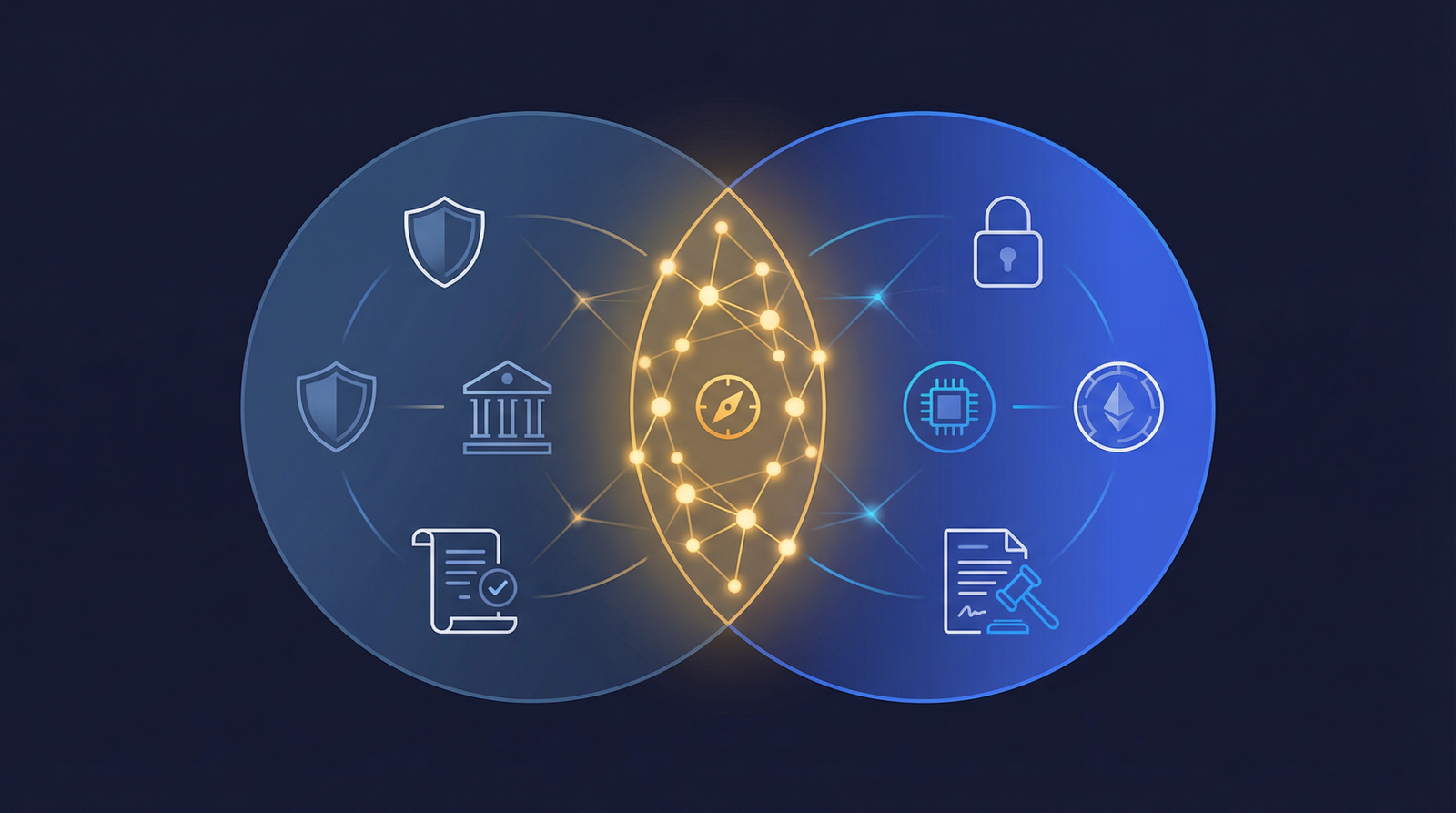
Financial technology companies operate under intense regulatory scrutiny long before they consider issuing digital securities. A standard software company might worry primarily about data privacy, but a fintech startup must navigate state money transmitter licenses across 49 states and the District of Columbia, potential Office of the Comptroller of the Currency (OCC) charter considerations, and strict payment card industry compliance. When founders decide to tokenize fintech startup equity, they add a dense layer of federal securities regulations, such as Reg D or Reg A+, directly on top of their existing operational compliance burden. This dual regulatory framework requires meticulous legal structuring to ensure that issuing a security token does not inadvertently violate the company’s core financial operating licenses. Founders must guarantee that state banking regulators do not misclassify their tokenized equity as unregulated money transmission instruments. Successfully executing this capitalization strategy demands a deep understanding of how blockchain infrastructure intersects with traditional financial oversight.
Why fintech architecture aligns with tokenized equity
Tokenizing a fintech startup offers a distinct structural advantage because these companies already possess the digital infrastructure and sophisticated investor base required for blockchain-based securities. Fintech founders can leverage their existing compliance stacks, payment rails, and technical acumen to issue security tokens more efficiently than traditional enterprises.
Fintech companies operate at the direct intersection of technology and financial regulation, making them naturally suited for digital asset integration. Unlike traditional software-as-a-service businesses, fintech founders already understand the complexities of financial compliance and secure ledger management. Their investor base typically consists of sophisticated venture capitalists and institutional funds who comprehend blockchain infrastructure, cryptographic security, and digital settlement processes. When founders decide to tokenize fintech startup equity, they signal a deep commitment to modernizing capital markets. This technological alignment reduces the educational friction normally associated with security token offerings, as stakeholders already recognize the efficiency gains of immutable ledgers. The infrastructure required to manage digital securities closely mirrors the payment gateways and settlement rails these companies build for their core products.
Beyond pure fundraising, forward-thinking financial technology companies treat equity tokenization as a strategic product demonstration. Embedded tokenization allows a company to utilize its own capital raise as a live case study for its core technology. A neobank offering tokenized savings products or a lending platform fractionalizing loan portfolios can point to their own tokenized equity as proof of technical capability. This dual-purpose approach transforms a standard compliance exercise into a powerful market validation tool. Investors evaluating the tokenized asset simultaneously evaluate the underlying technology stack that powers the company’s primary revenue streams. By successfully executing their own digital security offering, fintech platforms prove to the market that their infrastructure can handle institutional-grade asset management securely and compliantly.
Navigating the dual regulatory burden
Fintech tokenization requires coordinating multiple regulatory frameworks simultaneously. Issuers must reconcile federal securities laws enforced by the SEC with anti-money laundering obligations overseen by FinCEN, while ensuring the tokenized equity does not trigger state-level money transmission rules or conflict with existing banking charters.
The primary challenge when issuing digital shares lies in managing overlapping jurisdictional requirements without creating operational paralysis. A standard startup only needs to satisfy the Securities and Exchange Commission under specific offering exemptions. A fintech company, however, must map these tokenization legal requirements US jurisdictions enforce against its existing operational compliance burden. If the company holds money transmitter licenses across 49 states and the District of Columbia, founders must secure legal opinions confirming their security tokens will not be misclassified as unregulated money transmission instruments. State banking regulators maintain strict and often divergent definitions of what constitutes a digital asset transfer, requiring meticulous legal structuring to isolate the equity token from the company’s core payment flows. Failure to separate these functions can result in immediate cease-and-desist orders that halt both the token offering and the primary business operations.
This regulatory density extends to federal oversight bodies like the Financial Crimes Enforcement Network and the Office of the Comptroller of the Currency. Fintechs operating under Bank Secrecy Act obligations must seamlessly integrate their tokenization platform’s compliance requirements with their internal protocols. Fortunately, this overlap presents an operational advantage for established financial technology firms. Because a compliance-first approach is already mandatory for their core business, these companies can often repurpose their existing identity verification and transaction monitoring systems. Integrating the KYC and AML for tokenized assets into an already robust compliance stack drastically reduces the technical friction of onboarding token holders compared to a traditional startup building these systems from scratch. Leveraging this internal infrastructure allows fintechs to process investor accreditation and monitor secondary market transfers with high efficiency.
Managing banking partnerships and investor expectations
Tokenizing a fintech startup fundamentally alters how traditional banking partners and venture capital investors evaluate the company’s risk profile. Founders must proactively demonstrate that their digital security issuance complies with banking-as-a-service provider restrictions while satisfying venture capital demands for clear regulatory moats and strong unit economics.
Modern financial technology companies rely heavily on banking-as-a-service providers like Unit, Column, and Treasury Prime to facilitate their core operations. These underlying sponsor banks maintain strict risk parameters and often view blockchain-based initiatives with deep skepticism due to regulatory ambiguity. When a fintech introduces tokenized equity into its capital structure, it must proactively manage the narrative with these critical infrastructure partners. Sponsor banks may perceive tokenized securities as an elevated risk or a potential reputational liability, potentially threatening the fintech’s operational foundation. Founders must present comprehensive legal frameworks and technical architecture diagrams to their banking partners well before minting any tokens, proving that the capitalization strategy will not compromise the bank’s own regulatory standing. Transparent communication ensures that the core banking services remain uninterrupted during the tokenization process.
Venture capital expectations have shifted dramatically since the market correction of 2022 and 2023, significantly impacting how fintech tokenization is received by institutional investors. Prominent fintech investors like Ribbit Capital, QED Investors, and a16z Fintech now prioritize structural profitability, unit economics, and regulatory moats over pure user growth. When pitching a tokenized capitalization table, founders must articulate how the digital security enhances these core metrics rather than serving as a distraction. Investors will scrutinize whether the digital asset strategy will drain capital that should otherwise fund product development. A successful tokenization strategy frames the compliance infrastructure as a competitive advantage that deepens the company’s regulatory moat while expanding its total addressable market. Demonstrating technical competence through tokenization can actually strengthen the conviction of specialized fintech investors who understand the long-term value of blockchain settlement.
Market precedents and implementation costs
Fintech tokenization carries higher implementation costs than standard digital asset issuance due to complex legal structuring, typically requiring $100,000 to $250,000 in upfront capital. Market precedents demonstrate that successful execution requires selecting the appropriate SEC exemption and partnering with specialized broker-dealers.
Examining successful market precedents provides a clear roadmap for founders planning to issue digital shares. The digital asset trading platform INX established a significant benchmark when it conducted the first SEC-registered initial public offering of a security token, raising $85 million. According to their F-1 registration statement filed with the SEC, INX navigated unprecedented regulatory scrutiny to structure a token that provided a share of net cash flow while functioning within existing securities frameworks. Similarly, Republic, a prominent investment platform, not only facilitates tokenization for external clients but has successfully utilized digital securities for its own ecosystem. These case studies prove that while the regulatory path is arduous, financial technology companies can successfully leverage digital securities to raise substantial capital while remaining fully compliant with federal mandates.
The financial reality of executing a compliant tokenization strategy requires careful capital allocation, as the dual regulatory burden significantly inflates initial expenses. The cost to tokenize a startup in the fintech sector generally runs 40% to 60% higher than a standard software company, primarily due to the specialized legal opinions required to satisfy both securities and banking regulators. Founders should expect to spend between $100,000 and $250,000 on initial structuring, platform fees, and legal counsel when utilizing a Reg D Rule 506(c) exemption, which remains the most practical path for early-stage fintechs seeking accredited investor capital. Conducting a thorough Reg D vs Reg CF vs Reg A+ comparison is essential, as the ongoing reporting requirements of Reg A+ can severely strain a growing company’s operating budget. Most fintechs find that Reg D offers the best balance of capital access and regulatory manageability.
Execution requires selecting infrastructure partners who explicitly understand the intersection of digital assets and traditional financial services. Founders must utilize a comprehensive tokenization compliance checklist to evaluate potential issuance platforms and broker-dealers. The chosen platform must demonstrate the ability to enforce complex transfer restrictions programmatically while integrating seamlessly with the fintech’s existing capitalization table management software. By methodically addressing these technical and regulatory hurdles, financial technology founders can successfully navigate the complete guide to tokenizing startup equity process, establishing a modernized capital structure that supports long-term institutional growth.
Financial technology companies possess a unique structural advantage when approaching equity tokenization, yet they face an equally unique set of regulatory hurdles. Successfully navigating the intersection of banking regulations, state money transmitter laws, and federal securities frameworks requires meticulous planning and specialized legal counsel. Founders must prioritize transparent communication with their banking-as-a-service partners and venture investors, ensuring the tokenization strategy strengthens rather than complicates the core business model. By leveraging their existing compliance infrastructure and studying successful market precedents, fintech leaders can utilize digital securities to optimize their capital structure and signal technical sophistication to the broader market. The decision to tokenize should ultimately align with the company’s long-term operational goals, transforming a complex regulatory exercise into a definitive competitive advantage.
Frequently Asked Questions
Can a fintech company tokenize its equity if it holds state money transmitter licenses?
Yes, a fintech company can tokenize its equity while holding money transmitter licenses. Founders must obtain specialized legal opinions to ensure state regulators do not classify the security tokens as money transmission instruments, keeping the capital raise legally distinct from core payment operations.
How much does it cost to tokenize a fintech startup?
Tokenizing a fintech startup typically costs between $100,000 and $250,000 for initial structuring. This cost is generally 40% to 60% higher than standard software companies because fintechs require additional legal counsel to navigate overlapping banking, payment, and securities regulations.
Which SEC exemption is best for early-stage fintech tokenization?
Reg D Rule 506(c) is generally the most practical SEC exemption for early-stage fintech tokenization. It allows companies to raise unlimited capital from accredited investors and publicly advertise the offering, avoiding the heavy ongoing reporting costs associated with Reg A+ offerings.
How do banking-as-a-service providers view fintech tokenization?
Banking-as-a-service providers often view fintech tokenization with initial skepticism due to perceived AML and reputational risks. Fintech founders must proactively present comprehensive legal frameworks and technical architecture to their sponsor banks to prove the tokenization will not compromise the bank’s regulatory standing.