KoreConX Review 2026: Compliance & Transfer Agent Platform
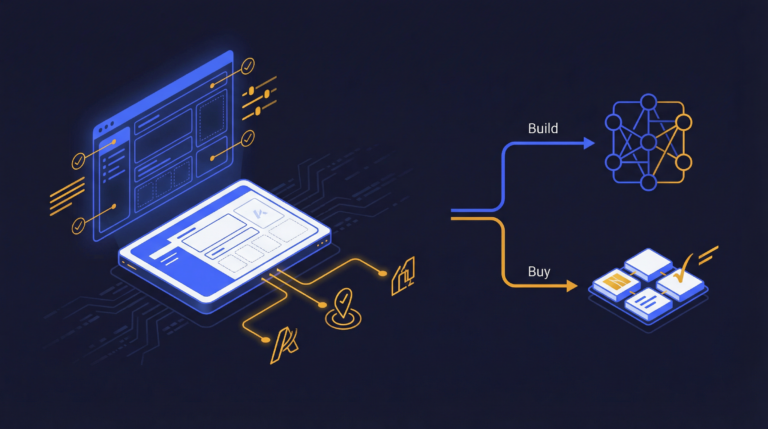
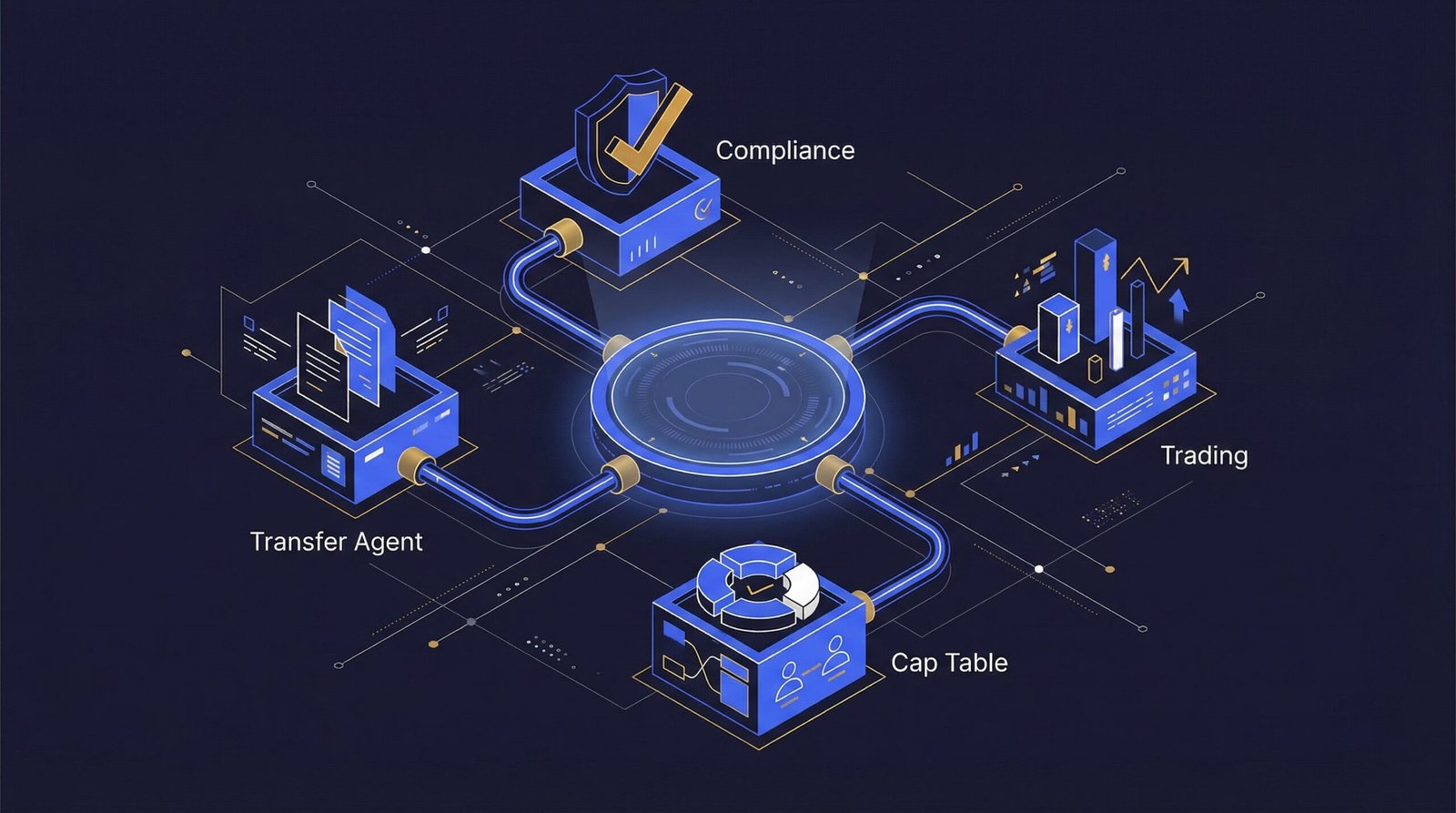
The private capital markets suffer from severe infrastructure fragmentation. Founders issuing security tokens typically must stitch together a broker-dealer, a transfer agent, a cap table manager, and a blockchain developer. This vendor patchwork inflates costs and multiplies compliance risks when data fails to sync across different systems. In this KoreConX review 2026, we examine an alternative approach that attempts to solve this exact problem through vertical integration. Founded by Oscar Jofre and headquartered in Toronto with extensive United States operations, KoreConX provides the full infrastructure stack that companies need to issue, manage, and trade private securities. We evaluate whether this all-in-one strategy actually delivers better outcomes for issuers compared to assembling specialized providers. The platform aims to consolidate disparate functions into a single ecosystem, allowing companies to manage their entire capital lifecycle without leaving the software environment.
Platform overview and core infrastructure
KoreConX is an integrated private capital markets platform founded by Oscar Jofre and headquartered in Toronto with United States operations. The platform combines SEC-registered transfer agent services, cap table management, a compliance engine, broker-dealer integrations, and the proprietary KoreChain blockchain into a unified infrastructure stack for tokenized securities.
Most companies entering the tokenization space quickly discover that writing a smart contract is the easiest part of the process. The actual difficulty lies in maintaining regulatory compliance across the entire lifecycle of the security. KoreConX addresses this reality by functioning as an all-in-one platform for private capital markets. Rather than acting merely as a technology vendor, the company provides the legal and structural framework required to issue compliant digital securities. This approach eliminates the need for founders to independently source and integrate multiple service providers. When deciding how to choose a tokenization platform, issuers must weigh the convenience of this integrated model against the flexibility of building a custom stack. KoreConX supports major regulatory exemptions including Regulation D, Regulation S, Regulation CF, and Regulation A+, making it capable of handling both private placements and public-facing crowdfunding campaigns.
Hands-on testing results and features
Our testing of the KoreConX platform reveals a highly structured environment focused heavily on regulatory adherence rather than pure blockchain experimentation. The system effectively links shareholder registry functions with automated compliance checks, though users must operate entirely within the proprietary KoreChain ecosystem rather than public networks like Ethereum.
SEC-registered transfer agent services
A transfer agent maintains the master record of security holders, processes transfers, ensures compliance with holding periods, and handles corporate actions like dividend distributions. KoreConX operates as an SEC-registered transfer agent, which fundamentally changes its value proposition compared to pure software providers. Having the transfer agent integrated directly into the tokenization platform ensures that the blockchain ledger and the legal shareholder registry are always perfectly synchronized. We noted in our Securitize review that this integrated approach represents the gold standard for compliance in the United States market. Platforms that lack this registration, such as Stobox, require issuers to hire a third-party transfer agent, creating a point of friction where data must be manually reconciled between the blockchain and the traditional registry. The KoreConX system automates this reconciliation entirely.
KoreChain blockchain architecture
KoreConX developed KoreChain as its own blockchain infrastructure specifically for recording private securities transactions. This architecture relies on a proprietary, permissioned network rather than a public blockchain like Ethereum or Polygon. The primary advantage of this closed system is absolute control over compliance and data privacy, as only authorized participants can access the ledger or validate transactions. However, this design choice sacrifices the interoperability and massive developer ecosystem associated with public chains. Tokens issued on KoreChain cannot be moved to external decentralized finance protocols or self-custodied in standard Web3 wallets. For institutional issuers strictly focused on regulatory compliance, this walled garden approach provides security and certainty. For issuers hoping to tap into the broader crypto-native liquidity pool, the proprietary nature of KoreChain presents a significant limitation.
Cap table management and compliance engine
The cap table management system serves as the operational core of the KoreConX platform. It provides a real-time shareholder registry that automatically enforces compliance rules on all secondary transfers, ensuring that no restricted shares move before their lock-up periods expire. The system supports complex corporate structures including multiple share classes, warrants, and convertible instruments. It also includes built-in corporate governance tools that allow issuers to manage shareholder voting, schedule annual meetings, and distribute investor communications directly through the portal. When evaluating the best tokenization platforms, this level of integrated cap table functionality stands out. While dedicated cap table tools like Carta offer highly polished interfaces for traditional startups, KoreConX provides the specialized compliance logic required for tokenized digital assets that Carta currently lacks.
Broker-dealer network and distribution
Capital formation remains the most difficult challenge for any private company. KoreConX addresses this by integrating a network of registered broker-dealers directly into its platform. Issuers can access these broker-dealers to assist with the distribution of their offerings without having to establish those relationships independently. According to platform documentation, the network includes multiple FINRA-registered entities capable of supporting various exemption types. This integration represents a massive value proposition for smaller issuers who would otherwise struggle to capture the attention of established investment banks or placement agents. The broker-dealers handle the necessary suitability checks, anti-money laundering verifications, and general solicitation requirements. This functionality makes KoreConX particularly useful for companies executing a security token offering guide strategy aimed at retail investors through Regulation A+ or Regulation CF.
KoreTrader secondary market functionality
KoreTrader operates as the platform’s native secondary market solution for private securities. It functions primarily as an order matching system where approved investors can buy and sell shares of companies hosted on the KoreConX infrastructure. All participants must clear identity verification checks and all trades must satisfy the automated compliance rules embedded in the cap table before executing. While the technical execution of KoreTrader works seamlessly within the ecosystem, users should maintain realistic expectations regarding actual trading volumes. Like most private market venues, liquidity remains generally low compared to public stock exchanges or crypto-native platforms. When compared to venues like tZERO ATS or Securitize Markets, KoreTrader currently commands less institutional trading volume and brand recognition. It serves best as a liquidity option for an issuer’s existing community rather than a primary destination for active day traders.
Pricing and engagement minimums
KoreConX pricing targets the mid-market segment, positioning itself below premium enterprise providers like Securitize but above entry-level software providers like Stobox. Issuers typically pay a combination of onboarding fees, monthly SaaS licensing for the cap table and transfer agent, and transaction-based fees for capital raises.
The exact costs depend heavily on the regulatory exemption used and the complexity of the corporate structure. Based on our tokenization platform fees comparison research, issuers should expect to pay initial setup fees covering the legal structuring, technology onboarding, and compliance integration. The platform then charges ongoing monthly maintenance fees for the SEC-registered transfer agent services and cap table software. If an issuer utilizes the broker-dealer network for capital raising, standard placement fees and commission percentages apply to the funds raised. This pricing model makes KoreConX highly competitive for companies raising between five million and fifty million dollars. For very early-stage startups raising smaller seed rounds, the comprehensive nature of the platform might prove cost-prohibitive. Founders calculating the cost to tokenize a startup must factor in these ongoing maintenance costs, not just the initial issuance fees.
Pros and cons
The primary advantage of KoreConX is its consolidation of transfer agent, cap table, and compliance functions into one vendor relationship. The main drawbacks include the closed nature of the proprietary KoreChain blockchain, limited secondary market liquidity on KoreTrader, and a steep learning curve for smaller issuer teams.
The all-in-one architecture aggressively reduces the vendor fragmentation that plagues most security token projects. By acting as its own SEC-registered transfer agent, KoreConX provides a massive compliance advantage that protects issuers from regulatory missteps during secondary transfers. The integrated broker-dealer network offers smaller companies a realistic path to capital formation that pure technology vendors cannot provide. The cap table management system rivals dedicated traditional tools while adding the necessary logic for digital assets. Furthermore, the platform maintains a strong infrastructure for SEC and FINRA compliance across multiple exemption types.
Conversely, the proprietary nature of the KoreChain blockchain severely limits technical interoperability. Issuers cannot easily plug their assets into the broader decentralized finance ecosystem or list on external decentralized exchanges. The secondary market liquidity on KoreTrader remains limited, meaning issuers should not promise immediate or active trading to their investors. The platform’s sheer comprehensiveness creates a noticeable complexity burden that may overwhelm smaller teams lacking dedicated compliance personnel. Finally, KoreConX currently holds less institutional brand recognition than its primary competitor Securitize, and its services remain heavily focused on the North American market with limited coverage for European and Asian jurisdictions.
Scoring and platform evaluation
KoreConX earns an overall score of 6.5 out of 10 based on our evaluation framework. The platform scores highest in regulatory compliance and track record due to its integrated transfer agent, while scoring lower in secondary market liquidity and token standard interoperability.
| Evaluation Criteria | Score | Justification |
|---|---|---|
| Regulatory compliance | 8/10 | Operates as an SEC-registered transfer agent with an integrated broker-dealer network and comprehensive compliance engine. |
| Ease of use | 7/10 | The all-in-one approach simplifies the vendor management problem, though the platform features a noticeable learning curve. |
| Pricing transparency | 6/10 | Some baseline information is available, but companies require direct consultation to receive detailed pricing structures. |
| Token standards | 6/10 | KoreChain uses a proprietary architecture which limits external interoperability, though it remains highly functional for strict compliance. |
| Secondary market | 5/10 | KoreTrader provides functional matching technology, but actual trading liquidity remains limited compared to larger alternative venues. |
| Track record | 7/10 | The platform maintains an established history with a growing client base, and founder Oscar Jofre is a recognized industry voice. |
How we evaluated KoreConX
We evaluated KoreConX using our standard framework for digital asset infrastructure providers. This process examines regulatory registrations, technical architecture, user experience, and market adoption to provide an objective assessment of the platform’s capabilities for private market issuers.
Our editorial team analyzes platforms based on their ability to solve actual business problems for founders and investors. We verify regulatory claims against public databases, such as checking transfer agent status through SEC EDGAR filings. We do not accept compensation for platform reviews or alter our scoring based on affiliate relationships. You can read the complete details of our testing process in our review methodology documentation.
The tokenization industry continues to mature past the phase of simple smart contract deployment and into the complex reality of securities law. KoreConX correctly identified that founders need legal and operational infrastructure just as much as they need blockchain technology. By combining a transfer agent, broker-dealer network, and cap table manager into one system, the platform eliminates the massive friction of managing multiple specialized vendors. While the proprietary nature of KoreChain will deter crypto-native projects seeking public blockchain interoperability, the system provides a highly secure environment for traditional companies digitizing their equity. Our KoreConX review 2026 confirms that for mid-market issuers prioritizing strict SEC compliance over decentralized experimentation, this vertically integrated platform offers a highly effective operational foundation.
Frequently Asked Questions
Is KoreConX an SEC-registered transfer agent?
Yes, KoreConX operates as an SEC-registered transfer agent. This registration allows the platform to legally maintain the master security holder records, process secondary transfers, and handle corporate actions like dividend distributions while keeping the blockchain ledger perfectly synchronized with regulatory requirements.
What blockchain does KoreConX use?
KoreConX utilizes KoreChain, a proprietary and permissioned blockchain infrastructure developed specifically for private securities. This closed system ensures strict regulatory compliance and data privacy, though it prevents tokens from interacting with public blockchain networks like Ethereum or standard decentralized finance protocols.
Can retail investors trade on KoreTrader?
Retail investors can trade on KoreTrader if the specific security was issued under an exemption that permits unaccredited investor participation, such as Regulation CF or Regulation A+. All investors must pass identity verification and suitability checks before accessing the secondary market.
How does KoreConX compare to Carta?
KoreConX provides similar cap table management features to Carta but adds specialized infrastructure for tokenized digital assets. While Carta focuses primarily on traditional startup equity, KoreConX integrates blockchain ledger synchronization, a broker-dealer network, and a native secondary market for digital securities.