Tokenized Luxury Assets (2026): Watches, Classic Cars & Art
Investors have long sought refuge in tangible assets during periods of high inflation and equity market volatility. Fine art, vintage watches, and classic cars offer uncorrelated returns that often outpace traditional stock indices over decade-long horizons. Historically, these alternative asset classes remained gated behind massive capital requirements and exclusive dealer networks. The emergence of blockchain technology has restructured this dynamic by enabling tokenized luxury goods investing for a broader demographic. By converting physical items into digital tokens on a distributed ledger, issuers can divide a million-dollar Ferrari or a rare Patek Philippe into thousands of affordable shares. This structural shift brings retail capital into notoriously illiquid markets while offering institutional players new avenues for portfolio diversification without the burden of physical asset management. You will learn exactly how physical luxury assets are authenticated, vaulted, and tokenized for fractional ownership. We will examine historical return data across different luxury categories, evaluate the leading platforms facilitating these transactions, and break down the specific regulatory and liquidity risks inherent to this emerging asset class.
• The mechanics of luxury asset tokenization: Luxury asset tokenization involves authenticating a physical item, securing it in an insured vault, and issuing digital tokens on a blockchain that represent legal ownership.
• Historical returns and market performance: Historical returns for luxury collectibles often outpace traditional equities, with classic cars and vintage watches showing significant ten-year growth.
• Platforms and investment access points: Investors access tokenized luxury goods through specialized platforms like Rally, Dibbs, and 4K Protocol that handle sourcing, legal structuring, and token issuance.
The mechanics of luxury asset tokenization
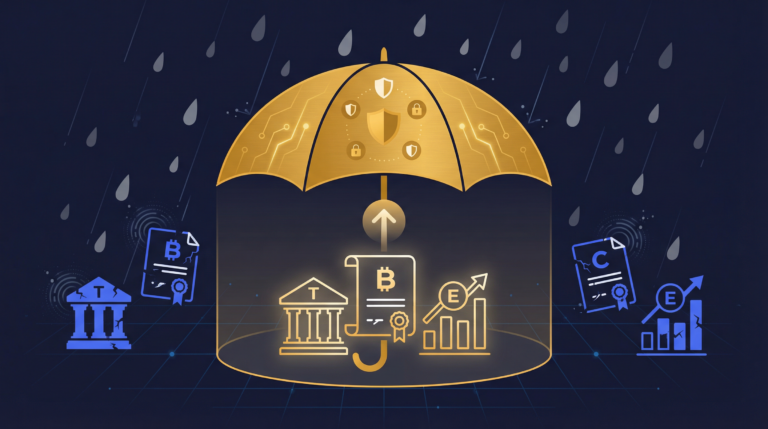
Luxury asset tokenization involves authenticating a physical item, securing it in an insured vault, and issuing digital tokens on a blockchain that represent legal ownership. This process enables fractional luxury collectibles to be traded globally, removing the need for investors to take physical delivery or manage maintenance.
To understand how what is asset tokenization functions in the luxury sector, you must first look at the legal and physical infrastructure that supports the digital tokens. A platform typically sources a high-value asset, such as a 1980 Rolex Daytona or a vintage Porsche 911, and places it into a specific legal entity like a Special Purpose Vehicle (SPV) or a Series LLC. The platform then issues digital tokens representing equity shares in that specific legal entity, rather than direct ownership of the physical object itself. This legal abstraction is necessary because physical property rights do not natively exist on blockchains, meaning the token must represent a legally enforceable claim against the entity holding the title. Platforms like 4K Protocol utilize non-fungible tokens (NFTs) to represent one-to-one ownership of physically vaulted items, while others issue fungible ERC-20 tokens to represent fractional shares of a single asset.
The physical handling of the asset requires rigorous authentication and secure storage protocols before any tokens are minted. Independent third-party appraisers and specialized authenticators must verify the provenance, condition, and market value of the item to prevent fraud. Once authenticated, the asset moves to a climate-controlled, highly secure vault operated by specialized custodians like Brink’s or Malca-Amit. These facilities provide comprehensive insurance coverage against theft, damage, and natural disasters, which is a critical component of RWA tokenization explained for physical goods. The vaulting provider issues a warehouse receipt or a digital certificate of deposit, which the tokenization smart contract references as proof of reserve. If an investor manages to acquire 100% of the token supply for a specific asset, they can typically trigger a redemption clause, burn the digital tokens, and take physical delivery of the luxury good from the vault.
This infrastructure fundamentally alters how capital moves through the luxury market by separating the financial utility of an asset from its physical utility. Traditional collectors buy a vintage watch to wear it and enjoy it, accepting the costs of maintenance, insurance, and eventual resale logistics. Token investors treat the asset purely as a financial instrument, relying on the platform to handle the physical friction in exchange for management fees. This separation allows investors to build diversified portfolios of luxury goods across different categories without needing specialized storage facilities or deep domain expertise in authentication. However, investors must still understand the underlying mechanics of the smart contracts governing their tokens, including how dividends from potential asset leases or final sale proceeds are distributed to token holders.
Historical returns and market performance
Historical returns for luxury collectibles often outpace traditional equities, with classic cars and vintage watches showing significant ten-year growth. According to the Knight Frank Luxury Investment Index, classic cars appreciated by 118% over the past decade, while collectible watches saw a 147% increase in value.
The primary driver behind tokenized luxury goods investing is the historical performance of the underlying assets compared to traditional financial markets. Luxury goods function as alternative investments that generally exhibit low correlation to the S&P 500 or global bond markets. The global luxury market continues to expand, with Bain & Company’s 2023 Global Luxury Goods Market Study estimating the overall market size at roughly €1.5 trillion, providing a massive underlying base for tokenization efforts. Within this broader market, specific categories like rare watches, classic automobiles, and fine art have established long-term track records of capital appreciation. Scarcity drives this value creation, as manufacturers like Rolex, Patek Philippe, and Ferrari strictly limit production of their most desirable models, creating immediate secondary market premiums. When economic conditions drive inflation higher, wealthy individuals often rotate capital into these tangible assets to preserve purchasing power, creating a reliable demand floor.
A tokenized watch investment relies heavily on the specific brand, model, and condition of the timepiece rather than general market trends. The Knight Frank Luxury Investment Index tracks a basket of collectible assets and routinely highlights watches and cars as top performers over extended time horizons. Over a ten-year period ending in 2023, the index reported that collectible watches appreciated by 147%, driven by explosive demand for discontinued steel sports models from top-tier Swiss manufacturers. Classic cars also delivered substantial returns, appreciating 118% over the same decade, though this category requires significantly more capital for maintenance and storage when held privately. Tokenization platforms allow retail investors to capture this specific asset appreciation without bearing the direct operational costs, though platform management fees do drag on the net return. Investors must carefully analyze the initial offering price of a tokenized asset against current secondary market auction results to ensure the platform is not overvaluing the asset at launch.
| Asset Class | 10-Year Return (2013-2023) | 1-Year Return (2022-2023) |
|---|---|---|
| Rare Whisky | +280% | -4% |
| Watches | +147% | +5% |
| Cars | +118% | +1% |
| Art | +105% | +11% |
| Handbags | +67% | +4% |
While the long-term data appears favorable, the luxury secondary market experiences significant cyclicality and price corrections. Following the pandemic-era boom in 2021 and early 2022, prices for highly sought-after watches like the Rolex Daytona and Patek Philippe Nautilus contracted sharply on secondary markets. Investors who purchased tokenized shares of these assets at peak valuations suffered immediate unrealized losses as the broader market cooled. This volatility highlights the importance of rigorous tokenized securities due diligence when evaluating new platform offerings. Past performance in the luxury sector is heavily dependent on shifting cultural tastes and generational wealth transfers, meaning the assets that performed well over the last decade may not lead the market in the next.
Platforms and investment access points
Investors access tokenized luxury goods through specialized platforms like Rally, Dibbs, and 4K Protocol that handle sourcing, legal structuring, and token issuance. These platforms operate under specific regulatory frameworks, often utilizing SEC Regulation A+ or Regulation D exemptions to offer fractional shares to investors.
The ecosystem of platforms offering fractional luxury collectibles has matured significantly, dividing into distinct models based on regulatory compliance and target audiences. Rally operates as a pioneer in the fractional alternative asset space, utilizing a Web2 interface that abstracts away the underlying blockchain complexity for retail users. The platform acquires museum-quality assets, ranging from vintage comic books to classic Ferraris, and securitizes them through SEC Regulation A+ offerings. This regulatory pathway allows Rally to sell shares to non-accredited retail investors, creating a highly accessible entry point for tokenized luxury goods investing. The shares are eventually tradable on a secondary bulletin board operated by registered broker-dealers, providing a regulated, albeit sometimes illiquid, venue for investors to exit their positions.
Other platforms take a more crypto-native approach, integrating directly with decentralized finance protocols and utilizing public blockchains like Ethereum or Polygon. 4K Protocol focuses on physically backed non-fungible tokens, allowing individuals to send high-value physical items to secure vaults in exchange for an on-chain NFT representing ownership. This model leans heavily on decentralized infrastructure, enabling the NFTs to be used as collateral in lending protocols or traded on global NFT marketplaces. Dibbs initially focused on fractionalizing physical trading cards but has expanded its infrastructure to help brands and enterprises tokenize various physical goods. When evaluating how to invest in tokenized assets, investors must decide whether they prefer the regulatory protection of an SEC-qualified platform like Rally or the global liquidity and composability offered by Web3-native protocols.
The legal structure of these investments dictates the tax implications and reporting requirements for investors. When you purchase a fractional share through a Regulation A+ offering, you are typically buying equity in a specific sub-series of an LLC. If the platform eventually sells the underlying physical asset at a profit, the LLC distributes the proceeds to shareholders, which generally triggers capital gains tax obligations based on your holding period. Collectibles are subject to a maximum long-term capital gains tax rate of 28% in the United States, which is significantly higher than the standard 20% rate applied to traditional equities. Investors should familiarize themselves with basic tokenization glossary concepts to understand exactly what type of instrument they hold and how local tax authorities classify digital representations of physical collectibles.
Risk factors and liquidity challenges
Tokenized luxury assets carry significant risks, including severe secondary market illiquidity, platform counterparty risk, and potential physical damage to vaulted items. Regulatory uncertainty persists, as the SEC closely scrutinizes platforms offering fractional shares of physical goods to ensure compliance with federal securities laws.
The most pressing issue facing tokenized luxury goods investing is the persistent lack of secondary market liquidity. While tokenization theoretically enables 24/7 global trading, a token is only as liquid as the active market demand for that specific fractional asset. Many investors discover that while buying into an initial offering is simple, selling those shares months later can be exceedingly difficult if no buyers are interested in that specific vintage watch or classic car. Secondary trading windows on regulated platforms are often restricted, and order books can remain thin, forcing sellers to accept steep discounts to their initial purchase price if they need immediate cash. This illiquidity premium is one of the primary tokenized asset risks that retail investors frequently underestimate when transitioning from highly liquid public stock markets.
Platform counterparty risk presents another structural vulnerability for investors in this space. The digital tokens possess value only as long as the issuing platform maintains the legal entity, pays the vaulting and insurance fees, and facilitates the eventual sale of the asset. If a tokenization startup exhausts its venture funding and files for bankruptcy, the legal resolution of the vaulted assets and the associated SPVs can take years to unwind in court. While the legal structures are theoretically designed to bankruptcy-remote the assets from the parent company, the practical reality of liquidating physical collectibles during a corporate dissolution often results in substantial legal fees that erode investor returns. You must evaluate the financial health and backing of the platform just as rigorously as the physical asset being tokenized, a dynamic highlighted in Boston Consulting Group’s 2022 analysis of on-chain asset tokenization.
Regulatory and physical risks require constant monitoring by both platforms and investors. The U.S. Securities and Exchange Commission has consistently maintained that fractionalizing a physical asset and promoting it with the expectation of profit constitutes a securities offering. Platforms that attempt to bypass securities laws by labeling their fractional shares as simple utility tokens or standard NFTs face severe enforcement actions that can instantly destroy the market value of the issued tokens. Furthermore, despite top-tier vaulting and insurance, physical assets remain susceptible to degradation, hidden defects, or catastrophic loss. An undetected mechanical failure in a tokenized classic car or a disputed provenance claim on a vintage watch can permanently impair the asset’s value, directly impacting the token price regardless of broader market conditions.
Tokenized luxury goods investing represents a significant structural evolution in how alternative assets are capitalized and traded. By bridging physical vaults with blockchain infrastructure, platforms have successfully lowered the barrier to entry for high-performing asset classes like classic cars and vintage watches. While the historical returns of the underlying physical goods offer compelling portfolio diversification, the digital wrappers introduce new variables including platform counterparty risk and secondary market illiquidity. Investors must look past the novelty of blockchain technology and evaluate these opportunities based on strict financial fundamentals, asset provenance, and legal structuring. As regulatory frameworks crystallize and secondary market liquidity deepens, fractional luxury collectibles will likely transition from a niche structural experiment into a standard component of modern wealth management strategies.
Key Compliance & Market Questions
What happens if the platform hosting my tokenized luxury asset goes bankrupt?
Regulated platforms place the physical assets into bankruptcy-remote legal entities, such as a Series LLC, separate from the parent company. If the platform fails, the assets are legally protected from the parent company’s creditors, though liquidating the assets to return capital to token holders can take significant time and incur legal fees.
Can I take physical possession of a tokenized watch or car?
Most platforms allow you to take physical possession only if you acquire 100% of the token supply for that specific asset. Once you hold all the tokens, you can trigger a redemption clause, burn the tokens, and arrange for the secure delivery of the physical item from the vault.
How are tokenized luxury goods taxed?
In the United States, fractional shares of physical collectibles are generally subject to the collectibles tax rate. If held for more than one year, profits from the sale of these tokens are taxed at a maximum long-term capital gains rate of 28%, rather than the standard 20% rate for traditional equities.
Who verifies the authenticity of tokenized luxury items?
Platforms contract independent, third-party appraisers and specialized authenticators before tokenizing any asset. These experts verify the item’s provenance, condition, and market value, and the documentation is typically made available to investors before the initial token offering.