Tokenized Art Investing: Platforms, Returns & Liquidity
Fine art has historically operated as an exclusive asset class reserved for ultra-high-net-worth individuals and institutional collectors. The high barriers to entry, driven by multi-million dollar auction prices and opaque gallery networks, kept the average investor entirely locked out of the market. Asset tokenization has fundamentally altered this dynamic by introducing fractional ownership models to the blue-chip art market. Through tokenized art, investors can purchase equity shares in paintings by recognized masters like Jean-Michel Basquiat, Banksy, and Pablo Picasso for a fraction of the total acquisition cost.
This structural shift transforms a physical painting hanging in a secure vault into a tradable financial security. Investors are increasingly drawn to digital art investment as a method of portfolio diversification, particularly because art historical prices demonstrate a low correlation to traditional equity and bond markets. However, the transition from physical canvas to digital token introduces specific valuation challenges, prolonged illiquidity periods, and complex fee structures that require careful analysis. Understanding the mechanics of art tokenization platforms is essential for investors seeking exposure to this historically private market without taking on the severe concentration risk of buying a single artwork outright.
The mechanics of fractional art ownership
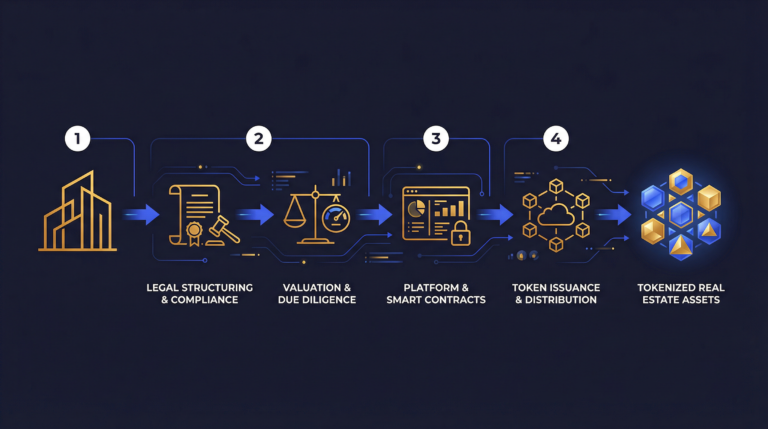
Tokenized art works by placing a physical artwork into a special purpose vehicle or LLC, which then issues digital tokens representing fractional ownership shares. Smart contracts govern these shares on a blockchain, entitling investors to proportional proceeds when the asset is eventually sold, typically after three to seven years.
The legal architecture behind this process relies heavily on established corporate structures adapted for digital distribution. When a platform identifies a compelling piece of fine art, it purchases the physical asset and transfers the title to a dedicated limited liability company. This entity exists solely to hold that specific painting, isolating it from the financial risks of the parent platform. The platform then files offering circulars with securities regulators to legally sell equity shares in that specific LLC to the public. Once regulatory qualification is secured, investors purchase shares that are recorded either on a proprietary ledger or a public blockchain network. Understanding what is asset tokenization is crucial here, as the token merely serves as a digital receipt for a traditional legal contract. The physical artwork is shipped to a climate-controlled, highly secure freeport facility, often located in Delaware or Geneva, where it remains in storage until the platform decides to sell it.
It is necessary to distinguish fractional art ownership from both traditional art funds and non-fungible tokens. Traditional art funds pool investor capital to purchase dozens of artworks under centralized professional management, similar to a mutual fund. These legacy funds typically require minimum investments in the hundreds of thousands of dollars and charge a standard two percent management fee alongside a twenty percent carried interest on profits. Tokenized art platforms allow investors to select specific individual artworks, essentially building a bespoke portfolio piece by piece. Furthermore, tokenized fine art is entirely separate from the art NFT market. Art NFTs are digital-native creations where the value derives from the digital file itself and the cultural cachet of the creator. Tokenized fine art represents legal equity in a physical, real-world asset with an established auction history and physical provenance.
Evaluating art tokenization platforms and fees
Masterworks dominates the art tokenization market by offering fractional shares of blue-chip paintings through SEC-qualified Regulation A+ offerings. Investors can buy shares for a $20 minimum, while platforms like Maecenas utilize Ethereum-based smart contracts for tokenization, and Artory focuses primarily on blockchain provenance and registry infrastructure.
Masterworks operates as the undisputed volume leader in this sector, managing over $800 million in assets across hundreds of individual artwork offerings. The platform purchases artwork at auction or through private sales, files a Regulation A+ offering with the Securities and Exchange Commission, and sells shares to both retail and accredited investors. Their fee structure includes a 1.5 percent annual management fee, which is typically paid by issuing new shares in the LLC rather than charging investors cash, thereby diluting the token supply slightly each year. Upon the eventual sale of the artwork, Masterworks takes a 20 percent cut of the future profits. This fee model heavily incentivizes the platform to achieve the highest possible exit price, aligning their interests with the token holders. Investors researching where to buy security tokens will find that Masterworks operates a proprietary secondary market bulletin board rather than listing its tokens on public cryptocurrency exchanges.
Other platforms have approached the market with different technological and regulatory strategies. Maecenas gained early attention in 2018 by tokenizing a 31.5 percent stake in Andy Warhol’s “14 Small Electric Chairs” using Ethereum smart contracts. They focus strictly on blockchain-native issuance and typically cater to a more crypto-native audience, though they have struggled to match the retail acquisition scale of their competitors. Artory takes an infrastructure approach, acting as a blockchain registry that records the provenance, exhibition history, and sale data of physical artworks rather than syndicating investments directly. By securing the data layer of the art market, Artory helps mitigate the authentication risks that historically plague art transactions. Investors learning how to invest in tokenized assets must carefully review the specific regulatory filings of each platform, as the protections offered by an SEC-qualified offering differ vastly from unregulated offshore token issuances.
Valuation challenges and historical return data
Art valuation relies heavily on subjective taste, cultural trends, and comparable sales methodologies rather than predictable cash flows. Historical data from the Sotheby’s Mei Moses Index shows art can outpace inflation, but these figures often suffer from survivorship bias because unsold artworks are excluded from the indices.
Valuing fine art is uniquely difficult compared to traditional financial assets. Equities can be valued using discounted cash flow models, and real estate generates measurable rental yield. Art produces no cash flow and relies entirely on capital appreciation driven by shifts in collector tastes, gallery representation, and museum acquisitions. Appraisers use the comparable sales methodology, looking at recent auction results for similar works by the same artist. However, every painting is unique, making direct comparisons imprecise. Auction house estimates frequently drive the market narrative, but these institutions operate with inherent conflicts of interest, as they compete aggressively to win consignments by promising sellers high estimates. Investors reviewing a due diligence checklist for tokenized securities must recognize that the appraised value listed on a tokenization platform is an educated estimate, not a guaranteed clearing price in the open market.
Despite these valuation hurdles, historical return data demonstrates the viability of art as an asset class. The Artprice Global Index and the Sotheby’s Mei Moses Index track repeat sales of specific artworks at auction over decades. According to Sotheby’s data, contemporary art has delivered annualized returns of approximately 7.5 percent over the last fifty years, offering competitive performance against traditional indices. Masterworks has reported net annualized returns ranging from 10 percent to over 30 percent on several of its exited positions, including works by Banksy, George Condo, and Cecily Brown. However, investors must critically evaluate broad market data for survivorship bias. Art market indices only track works that successfully sell at public auction. They completely ignore artworks that fail to meet their reserve price, are withdrawn from sale, or are sold quietly at a loss in private transactions.
Liquidity constraints and secondary market realities
Tokenized art is a highly illiquid investment requiring a holding period of three to seven years before the underlying asset is sold at auction. While secondary markets exist for trading fractional shares, trading volumes remain thin, and investors frequently must sell their tokens at a discount to the appraised value.
Platform marketing often highlights the theoretical liquidity provided by blockchain technology, but the practical reality is much more constrained. When you invest in art tokens, your capital is locked into the physical asset until the platform’s management team decides market conditions are optimal for a sale. This holding period typically spans three to seven years, and investors have no voting rights to force a premature sale. While Masterworks and similar platforms offer secondary trading boards where users can buy and sell shares among themselves, these are not highly liquid exchanges like the Nasdaq. Trading volumes are generally low, and bid-ask spreads can be exceptionally wide. If an investor needs to liquidate their position quickly to raise cash, they will almost certainly have to list their shares at a significant discount to the platform’s current estimated net asset value. Understanding these risks of investing in tokenized assets is critical for proper cash flow planning.
Regulatory classification provides specific investor protections that offset some of these liquidity risks. Offerings qualified under Regulation A+ or Regulation D require platforms to file detailed offering circulars that outline the specific risks, fee structures, and conflicts of interest associated with each painting. The special purpose vehicle structure ensures that if the parent tokenization platform goes bankrupt, the physical artwork remains protected from the company’s creditors. The LLC would simply be transferred to a new manager or liquidated, and the proceeds distributed to the token holders. Furthermore, platforms mandate comprehensive insurance policies covering damage, theft, and transit risks, ensuring the physical asset is protected while sitting in the freeport vault.
Portfolio allocation strategy for tokenized art
Financial advisors typically recommend allocating between one and five percent of a diversified portfolio to alternative assets, including tokenized art. This asset class best serves long-term investors seeking low correlation to traditional equities and bonds, provided they can tolerate strict illiquidity and the subjective nature of art valuation.
The primary mathematical argument for including fractional art ownership in an investment portfolio is diversification. Historical data indicates that fine art has a correlation coefficient of roughly 0.1 to 0.2 with the S&P 500. This means art prices largely move independently of the stock market, providing a potential buffer during equity market downturns. Art also has a low correlation to corporate bonds and real estate. Because art is a tangible, scarce asset, it has historically served as a reliable store of value during periods of high inflation. However, because it yields no dividends or interest payments, it should never form the core of an income-generating portfolio. Weighing the benefits and risks of tokenization reveals that art tokens are purely a capital appreciation play designed to boost overall portfolio risk-adjusted returns.
The ideal investor profile for tokenized art is someone with a fully funded emergency reserve, a strong foundation of traditional index funds, and a long-term investment horizon. Investors must be entirely comfortable locking away their capital for up to a decade. They should also possess a willingness to accept the opaque nature of the art market, where prices are dictated by the tastes of billionaires rather than corporate earnings reports. By limiting exposure to a small single-digit percentage of total net worth, investors can capture the upside potential of blue-chip masterpieces while insulating themselves from the severe liquidity constraints inherent to the asset class.
Tokenized art successfully democratizes access to an asset class that was previously ring-fenced by extraordinary capital requirements. Platforms utilizing SEC-qualified frameworks and blockchain infrastructure have created a legitimate pathway for retail investors to own shares of historically significant paintings. While the technology solves the problem of access, it does not eliminate the fundamental illiquidity of physical art or the subjective nature of its valuation. Investors who approach art tokens as a long-term, illiquid diversification tool rather than a quick trading mechanism are best positioned to benefit from this evolving financial sector.
Frequently Asked Questions
What is the difference between tokenized art and an NFT?
Tokenized art represents legal equity shares in a physical, real-world painting stored in a secure vault. An NFT is typically a digital-native image or file where the value is derived from the digital asset itself, rather than fractional ownership of a physical masterwork.
How long do I have to hold tokenized art investments?
Investors should expect to hold their positions for three to seven years. The capital remains locked until the platform’s management team decides to sell the physical artwork at auction or through a private gallery sale.
Can I sell my art tokens before the painting is auctioned?
Yes, but liquidity is highly constrained. Major platforms offer secondary bulletin boards for trading shares, but trading volumes are thin, and investors frequently have to sell at a discount to the appraised value to find a willing buyer.
Are tokenized art platforms regulated?
Leading platforms in the United States operate under SEC regulations, typically utilizing Regulation A+ or Regulation D exemptions. These frameworks require platforms to file detailed offering circulars and disclose fee structures, providing legal protections for investors.