Tokenized AI Data Centers (2026): Yields, REITs & SPV Guide
The physical infrastructure powering the global digital economy requires massive capital investment. Artificial intelligence, cloud computing, and enterprise digitization have created an unprecedented demand for data centers. Investors view these facilities as a highly attractive real asset class due to their predictable cash flows and structural supply constraints. However, direct ownership of digital infrastructure requires capital outlays typically reserved for institutional private equity firms and specialized real estate investment trusts. Tokenized data centers provide a new financial mechanism for fractional ownership and direct revenue participation in this high-growth sector. By issuing blockchain-based digital tokens that represent equity or cash flow rights in specific facilities, operators can raise capital efficiently. Retail and accredited investors gain targeted exposure to digital infrastructure without the administrative burden of traditional fund structures. This guide examines how data center tokenization functions, the underlying market dynamics driving valuation, and the practical mechanics of adding cloud infrastructure tokens to an investment portfolio.
• The investment case for digital infrastructure tokens: Digital infrastructure tokens represent fractional ownership or revenue rights in physical data centers and computing facilities.
• How data center tokenization structures work: Data center tokenization operates primarily through two legal structures: equity ownership and revenue-sharing agreements.
• Yield expectations and platform access points: Investors in tokenized data centers can expect targeted annualized yields ranging from 8% to 14%, depending on the facility's location, tenant credit quality, and the specific token structure.
The investment case for digital infrastructure tokens
Digital infrastructure tokens represent fractional ownership or revenue rights in physical data centers and computing facilities. They allow investors to capture yield from the expanding cloud computing and artificial intelligence markets without the traditional barriers of high minimum capital requirements or complex private equity fund structures.
The structural deficit in global computing capacity has transformed data centers into one of the most compelling commercial real estate sectors. According to a January 2024 report by McKinsey & Company, global data center power consumption will reach 35 gigawatts by 2030, up from 17 gigawatts in 2022. This surging demand is driven primarily by generative artificial intelligence applications. AI workloads require significantly more power and specialized cooling infrastructure than traditional cloud computing tasks. Institutional capital has flooded into the space to finance new construction. However, strict zoning restrictions and severe power grid limitations in major hubs like Northern Virginia and Frankfurt have constrained new supply. This supply-demand imbalance pushes facility valuations higher and creates a lucrative environment for operators who successfully bring new capacity online.
Historically, public market investors accessed this sector through specialized real estate investment trusts like Equinix and Digital Realty. According to Nareit data from December 2023, data center REITs delivered a total return of 30.1% for the year, significantly outperforming broader real estate benchmarks. Public REITs expose investors to broader equity market volatility and management overhead costs that dilute underlying asset yields. Tokenized data centers provide a more direct correlation to the performance of specific facilities. Investors can target their capital toward particular geographic markets or specific types of infrastructure. They might choose to fund high-density AI training facilities or localized edge computing centers. Understanding what is asset tokenization helps clarify how these blockchain-based shares strip away the administrative bloat of traditional fund structures to deliver higher net yields directly to the token holder.
The economic model of these facilities relies on long-term lease agreements with major technology companies and enterprise clients. Hyperscale operators like Amazon Web Services, Microsoft Azure, and Google Cloud sign contracts spanning five to fifteen years. These agreements provide highly predictable cash flows that form the basis of the token’s value. When these predictable revenue streams are converted into digital infrastructure tokens, they create a fixed-income alternative with built-in inflation protection. Lease agreements typically include annual rent escalators tied to the Consumer Price Index. This ensures that the facility’s revenue grows alongside rising operating costs and general inflation. For investors seeking yield in a volatile macroeconomic environment, this combination of long-term contracted revenue and structural supply shortages makes physical computing infrastructure an attractive portfolio allocation.
How data center tokenization structures work
Data center tokenization operates primarily through two legal structures: equity ownership and revenue-sharing agreements. Equity tokens represent fractional shares in a special purpose vehicle that owns the physical real estate, while revenue-sharing tokens provide a contractual right to a percentage of the facility’s leasing income.
The tokenization process begins with the creation of a special purpose vehicle. This is typically a limited liability company that holds the title to the data center property and all associated hardware. The facility operator works with a tokenization platform to issue digital security tokens on a public blockchain network like Ethereum or Polygon. Each token corresponds to a specific percentage of the LLC’s equity. This structure closely mirrors traditional syndication models but replaces paper contracts and manual cap table management with automated smart contracts. These programmable contracts execute compliance checks, distribute dividends, and manage voting rights without requiring expensive intermediaries. For investors learning how to invest in tokenized assets, this technical architecture provides immediate transparency into ownership records and asset performance through public ledger verification.
Revenue-sharing models offer an alternative approach that focuses purely on cash flow rather than real estate appreciation. In this structure, the facility operator issues tokens that entitle holders to a specific portion of the monthly lease payments generated by the servers and cooling equipment. This model is particularly effective for financing hardware upgrades within existing facilities. An operator might issue cloud infrastructure tokens to fund the installation of high-performance graphics processing units required for modern AI workloads. The token holders receive a high-yield return based on the computing power leased to clients. The operator retains full ownership of the underlying real estate. This separation of hardware revenue from real estate equity allows investors to target different risk and return profiles within the exact same physical location.
The legal classification of these instruments requires strict adherence to national securities regulations. In the United States, tokenized data center offerings are typically structured under Securities and Exchange Commission Rule 506(c) of Regulation D. This specific exemption allows issuers to broadly solicit investors but restricts participation exclusively to verified accredited investors. The smart contracts governing the tokens include programmed transfer restrictions that prevent the assets from being moved to unverified digital wallets. This regulatory compliance layer ensures that secondary market trading only occurs between eligible, verified participants. As the market for RWA tokenization explained in broader contexts matures, these compliance mechanisms are becoming standardized across major issuance platforms. This standardization reduces the legal friction traditionally associated with private real estate syndications and lowers the cost of capital for operators.
Yield expectations and platform access points
Investors in tokenized data centers can expect targeted annualized yields ranging from 8% to 14%, depending on the facility’s location, tenant credit quality, and the specific token structure. Access is primarily facilitated through specialized digital asset platforms that handle both primary issuance and secondary market trading.
Return profiles in the digital infrastructure sector vary significantly based on the development stage of the underlying asset. Tokens tied to stabilized, fully leased facilities with investment-grade tenants typically offer lower, highly predictable yields in the 7% to 9% range. These core assets function similarly to high-yield corporate bonds. They distribute monthly or quarterly dividends derived directly from reliable lease payments, often distributed straight to investor wallets in the form of stablecoins. Conversely, tokens financing new construction or major hardware retrofits carry higher risk and correspondingly higher targeted returns, often exceeding 15% annualized. These value-add projects require investors to assume construction delays and leasing risk. They offer substantial upside potential through capital appreciation once the facility achieves full occupancy. Anyone exploring real estate tokenization guide principles will recognize this standard risk-return spectrum from traditional commercial property development.
Accessing these investments requires onboarding with regulated tokenization platforms that specialize in commercial real estate and infrastructure. Platforms have established the technical and legal frameworks for bringing physical assets on-chain, though dedicated data center offerings remain a specialized niche requiring deep industry expertise. When an operator launches a new facility tokenization, they list the offering on a platform that manages the initial capital formation and subsequent investor communications. The platform conducts required anti-money laundering and know-your-customer checks before allowing an investor to fund their allocation. Investors typically use either fiat currency via bank transfer or regulated stablecoins like USDC. Once the initial funding target is reached, the platform mints the tokens and distributes them to the investors’ digital wallets, officially recording their ownership stake on the blockchain.
Liquidity remains a critical consideration for investors evaluating these platforms. Blockchain technology enables instant transferability from a technical standpoint. The actual liquidity of a tokenized data center depends entirely on secondary market demand and regulatory trading restrictions. Some platforms operate internal alternative trading systems where verified investors can buy and sell tokens among themselves using automated market maker protocols or traditional order books. According to a 2023 report by Security Token Market, secondary trading volume for tokenized real estate remains low compared to public equities. Investors should approach these assets with a long-term hold mentality. The underlying physical asset cannot be easily liquidated to satisfy redemption requests. Token holders must rely on the platform’s secondary market or a future recapitalization event, such as a buyout by an institutional fund, to exit their positions fully.
Regulatory considerations and risk factors
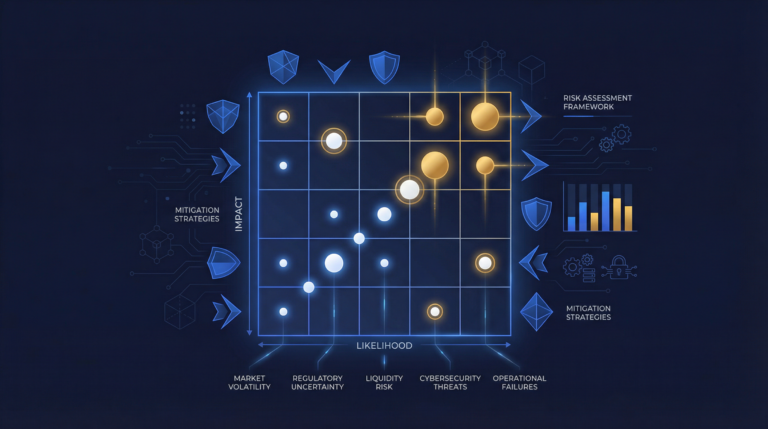
Tokenized data center investments carry specific risks related to technological obsolescence, tenant concentration, and regulatory compliance. The physical infrastructure requires continuous capital expenditure to remain competitive, while the digital tokens face evolving securities laws and complex tax reporting requirements across different jurisdictions.
The most significant operational risk in digital infrastructure is the rapid pace of technological change. Data centers built just five years ago often lack the power density and liquid cooling capabilities required for modern AI server clusters. If a facility cannot support the latest hardware generation, it risks losing its tenants to newer, more efficient competitors. Token investors must carefully evaluate the operator’s capital expenditure reserves and their specific strategy for maintaining facility relevance. When calculating potential returns, investors must account for the substantial costs associated with upgrading power distribution units and advanced cooling systems. These recurring capital requirements can severely impact the dividend yield distributed to token holders if the operator has not structured the initial capital raise with sufficient cash reserves.
Tenant concentration presents another major vulnerability for specific facility investments. Unlike large public REITs that own hundreds of properties leased to thousands of diverse clients, a single tokenized data center might rely entirely on one or two major hyperscale tenants. If a primary tenant declines to renew their lease or defaults on their obligations, the facility’s revenue drops to zero while fixed operating costs continue to accumulate. The specialized nature of these buildings makes them difficult to repurpose for other commercial uses. Finding replacement tenants requires significant time, facility modifications, and expensive leasing commissions. Evaluating these tokenized asset risks requires careful due diligence of the tenant’s corporate credit rating and the remaining duration of the lease agreements before committing any capital.
From a regulatory and tax perspective, holding digital security tokens introduces distinct complexities that traditional real estate investors may not anticipate. The Internal Revenue Service treats income generated from these tokens similarly to traditional partnership distributions or dividend income, depending on the specific legal structure of the issuing entity. Investors typically receive a Schedule K-1 or Form 1099 at year-end detailing their share of the income, depreciation, and operating expenses. The use of blockchain technology means that any secondary market sale of the tokens also triggers immediate capital gains tax events. Regulatory frameworks governing digital securities continue to evolve rapidly. Changes in SEC enforcement policies or new legislation regarding digital asset classification could impact the ability of platforms to facilitate secondary trading. Familiarity with standard tokenization glossary definitions is essential for structuring around the intersection of real estate tax law, securities regulation, and digital asset compliance.
Data center tokenization provides a compelling mechanism for accessing one of the most critical infrastructure sectors in the modern economy. Artificial intelligence and cloud computing continue to drive unprecedented demand for physical computing facilities. The need for flexible, efficient capital formation to build these facilities will only increase over the next decade. By converting complex real estate equity and revenue streams into programmable digital tokens, operators can access deeper pools of capital. They offer investors targeted exposure to high-yield, inflation-protected assets that were previously out of reach. Success in this emerging asset class requires careful analysis of the underlying facility’s technological capabilities, the operator’s track record, and the legal structure governing the token issuance. Investors should allocate capital to these tokenized data centers only as part of a broadly diversified portfolio. They must maintain realistic expectations regarding secondary market liquidity and accept the necessity of long-term holding periods to realize the full value of the investment.
Common Regulatory & Structuring Questions
What are tokenized data centers?
Tokenized data centers are physical computing facilities where equity ownership or revenue streams have been converted into digital tokens on a blockchain. Investors purchase these tokens to earn fractional yields from the lease payments made by technology companies renting the server space.
How do digital infrastructure tokens generate yield?
Digital infrastructure tokens generate yield from long-term lease agreements signed by enterprise clients and hyperscale cloud providers. The facility operator collects the rent, deducts operating expenses, and distributes the net income to token holders as monthly or quarterly dividends.
Who can invest in tokenized data centers?
In the United States, tokenized data center investments are typically restricted to accredited investors under SEC Regulation D exemptions. Investors must verify their income or net worth through a regulated tokenization platform before they can purchase these digital securities.
What happens if the data center technology becomes outdated?
If a facility cannot support modern hardware, it risks losing tenants and revenue. Token investors face the risk of technological obsolescence, meaning operators must maintain substantial capital reserves to upgrade power distribution and cooling systems to remain competitive.